Showing posts with label 2013. Show all posts

Tuesday, November 18, 2014

Super Healthy Snacks and Treats

Super Healthy Snacks and Treats: More Than 60 Easy Recipes for Energizing, Delicious Snacks Free From Gluten, Dairy, Refined Sugar and Eggs
Author: Jenna Zoe
Publisher:  Ryland Peters & Small (September 2013)
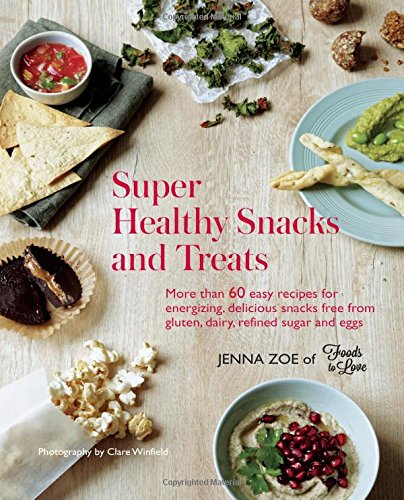
Ah, snacktime. The backbone of most childrens’ (and preschool teachers’) days, filled with lunchbox treats coveted by young and old alike. Who hasn’t hoped for a treat to fill a break in the morning rush or afternoon doldrums, or packed along a little extra “something” for that long ride to the cottage? Unfortunately, the delicacies commonly available to this generation of children and young families (as with every generation before) are far from being fuel to nourish the body and mind after taxing activity. Granola bars, nacho chips and candy-like “fruit snacks” are easy to buy, pack and grab whenever a passing craving strikes – but with that ease and convenience comes empty calories, saturated fats and grotesque amounts of sodium and refined sugar. However, healthier options are relatively simple to create and enjoy with a little time and effort, thanks to authors like Jenna Zoe and her book: Super Healthy Snacks and Treats: More Than 60 Easy Recipes for Energizing, Delicious Snacks Free From Gluten, Dairy, Refined Sugar and Eggs.

Super Healthy has over 60 recipes covering both sweet and savoury noshing. Breakfasts, Party Snacks, Dips and Dippers and even Cookies and Bakes get a healthier twist in Zoe’s hands. The book’s recipes are free of at least one (and often far more) of the following: gluten, dairy, refined sugar and eggs. This is no small feat, especially when things like (double) Chocolate Chip Cookies (p. 118) and Chocolate-Covered Caramels (p. 107) are concerned. Zoe doesn’t swap out ingredients willy-nilly, though – the introduction to the book has a short essay regarding common food intolerances and dietary excesses that are addressed in Super Healthy’s recipe section. While some of the language is a bit extremist and definitely closer to a holistic guru’s mantra than a scientific journal, the majority of her points remain valid concerns today. It is also worth noting that Zoe is the founder of Foods To Love, an online health food shop selling products free from wheat, gluten, sugar, dairy and eggs – so her push towards certain ingredients is not necessarily free of economic gain.

Even without their “health haloes”, the recipes in Super Healthy look so delicious it would be hard to resist a taste! Clare Winfield fills the pages with stunning full-colour photography which causes dishes to leap off the page. A rather “brown” sounding recipe for granola was transformed into the Power Protein Granola (p. 23) I couldn’t wait to make.
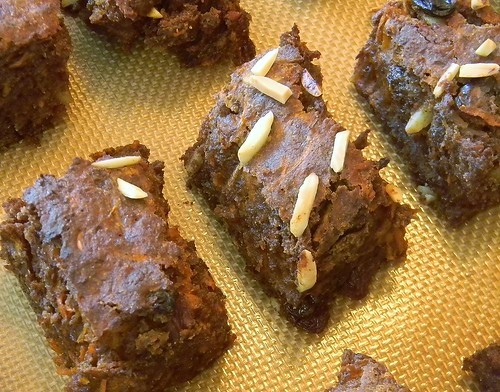
Sticky Carrot Squares
Sticky Carrot Bites (p. 130)

The granola, like the other recipes I tried in Super Healthy, was as delicious as the pictures had me believe. The nuttiness of the buckwheat and quinoa was perfectly balanced by the spices and maple syrup, and while I swapped out roasted chickpeas for the nuts the end result was nothing short of delicious. On the sweet side, a box of the aforementioned Chocolate Covered Caramels (made with tahini instead of peanut butter due to allergies) was warmly received by the few friends I gave it to, and the one-bite size I made them expanded the yield to triple what was stated in the book. For a throng of gluten free, vegan or otherwise food-restricted friends, a pan of Sticky Carrot Bites (p. 130) hit the spot – the slightly spicy, rich and dense bars were definitely the “brownies” advertised in the recipe’s preamble. The only change I made was to use slivered almonds instead of walnuts, both due to taste preference and due to the fact that almond milk is the liquid called for. My personal favourite had to be the Creole Cauliflower (p. 77), which fed into my desire for spicy food with a “munchable” texture.

Tahini Date Caramels
Chocolate-Covered Caramels (p. 107)

The array of ingredients and (occasionally) food preparation techniques will throw off some cooks looking for an easy, “grocery store” fix. Certain items are on the pricier side, or are rare in non-urban centres, but when you take into account the money and time potentially saved by avoiding illness and purchasing “junk food”, the end result is essentially a wash.

For anyone looking to fill a craving with better-than-normal options, Jenna Zoe’s book Super Healthy Snacks and Treats: More Than 60 Easy Recipes for Energizing, Delicious Snacks Free From Gluten, Dairy, Refined Sugar and Eggs is definitely worth looking at. With nutritious recipes suitable for all ages to enjoy, a healthier future can be more delicious than any box or bag on the shelf.

Available on Amazon

Saturday, June 7, 2014

Vegan Chocolate: Unapologetically Luscious and Decadent Dairy-Free Desserts

Vegan Chocolate: Unapologetically Luscious and Decadent Dairy-Free Desserts
Author: Fran Costigan
Publisher: Running Press (2013)

Milk, dark or riddled with nuts – it’s hard to find a single person who’s day isn’t made better with a little chocolate! With hundreds, if not thousands, of ways to enjoy the gift of the cacao tree, chocolate is arguably one of the most versatile foods in nature. What would the world be like without a chocolate chip cookie, a chunk of chocolate fudge birthday cake, a bowl of spicy-sweet mole or the occasional melt-in-your-mouth truffle? For those ascribing to a vegan lifestyle, be it for economical, health or ethical reasons, a lot of those decadent chocolate treats are off limits. Yes, vegan chocolate chip cookies existed in the 1960’s “hippie” era, but if you’ve ever had one of those “traditional” vegan concoctions you know they were anything but decadent! Fran Costigan is out to bring the indulgence of chocolate back to everybody’s table with her new book: Vegan Chocolate.

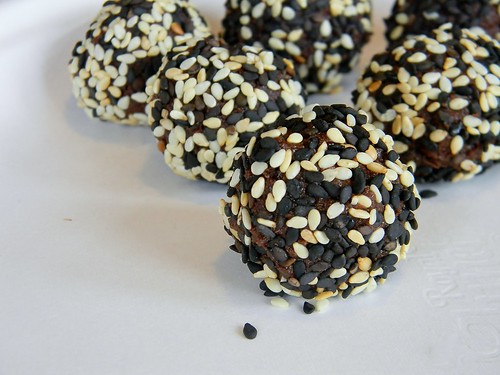
Chocolate - Orange Sesame Truffles
Chocolate Orange Sesame Truffles (p. 58)
Aptly titled, Vegan Chocolate makes no mystery as to the treats within its pages. As if the title wasn’t enough to sway you, the front cover displays a to-die-for looking chocolate cake (sadly, that recipe is not indicated in the book, but I believe it’s Sachertorte (p. 105)) and almost every page is laced with Kate Lewis’ stunning photography. A full index caps the almost 300-page book off, and is a great resource for that “I-need-chocolate-now” moment, and each recipe section also has a listing of its offerings at the beginning for more leisurely browsing. Along with the wealth of recipes, Costigan also includes an indispensable guide to “Ingredients, Sweeteners, Chocolates and Equipment” (p.12), a well-stocked “Resource” (p.290) list, a suggested “Reading List” (p. 296) and even a Rolodex-worthy compilation of relevant “Organizations and Publications” (p.297). Costigan proves time and time again her worth as a culinary artist – vegan or no – and definitely erases any notion of vegan food as stuff for health gurus only. Recipes range from a simple Chocolate Sorbet (p. 209) to gourmet Lemon Olive Oil Truffles (p. 44) and an extravagant Raspberry Chocolate Silk Tart (p.165), and it’s truly hard to believe that absolutely no dairy, eggs or even refined sugar are components! As fancy and complicated as the recipes seem to be, rest assured that Costigan has done her due diligence in this respect too and makes replicating her creations as easy as possible.

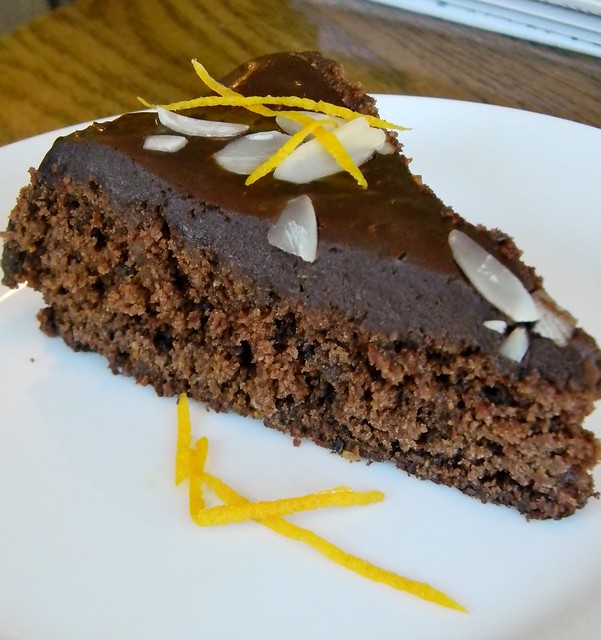
Vegan Chocolate - Orange Torte
Chocolate, Orange and Almond Olive Oil Cake (p. 72)
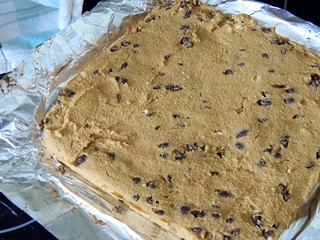
Of course, I couldn’t wait to get into the kitchen and bake up something lusciously chocolate – the problem was what to choose! I eventually settled on the Chocolate, Orange and Almond Olive Oil Cake (p. 72) to start off. The dessert is extraordinary, and wouldn’t be out of place in an elegant bistro or trattoria, but if you can measure, pour and mix it is remarkably simple. To me, unfortunately, it doesn’t really belong in a “chocolate” book – the only element of chocolate is in the glaze (which is a separate recipe). That said, when I made the cake I added a touch of cocoa powder for a bit of “back-up” flavour. Continuing on my “chocolate and orange” kick, I knew I had to try the Chocolate Orange Sesame Truffles (p. 58), which looked spectacular in their photo and definitely involved a kick of chocolate. These, too, were extremely simple to make and relied on an unorthodox melting medium – orange juice – rather than heavy cream or milk. A dab of tahini helped re-solidify everything and they shaped nicely, even after being in the fridge for a day. The balance of fruit, chocolate and sesame was spot on to my palate and I wouldn’t hesitate to make a plate of these for a Christmas party. Lastly, I whipped up a pan of one of my favourites: Blondies (p. 130). Granted, blondies really have no place in a “chocolate” book either, as their whole mandate is “chocolate-free brownies”, but I have a soft spot for those bars and wanted to see how Costigan’s recipe stacked up. I had to make a few minor changes based on what I had available, and I opted to add some chocolate-covered cacao nibs along with the chocolate chips for extra pizzazz, but I have to say I was pleased by the final result and would make them again. In fact, I did make them again, for a school function, and they were thoroughly enjoyed without a word as to the lack of eggs or dairy.

Nibbed Caramel Blondies
Blondies (p. 130)
It is very hard to go wrong with a food as perfect as chocolate, but many people find it too difficult or time consuming to tackle in any great quantity. Not only does Fran Costigan’s Vegan Chocolate convince you that chocolate is a boon, not a burden, to the kitchen, but shows that elegant, decadent desserts are within every home cook’s reach. Furthermore, Vegan Chocolate truly erases any doubts as to the “cardboard” nature of vegan, refined sugar-free food and just may tempt more than one diner over to enjoying more meat-, dairy- and egg-free fare overall.

Available on Amazon

Monday, April 28, 2014

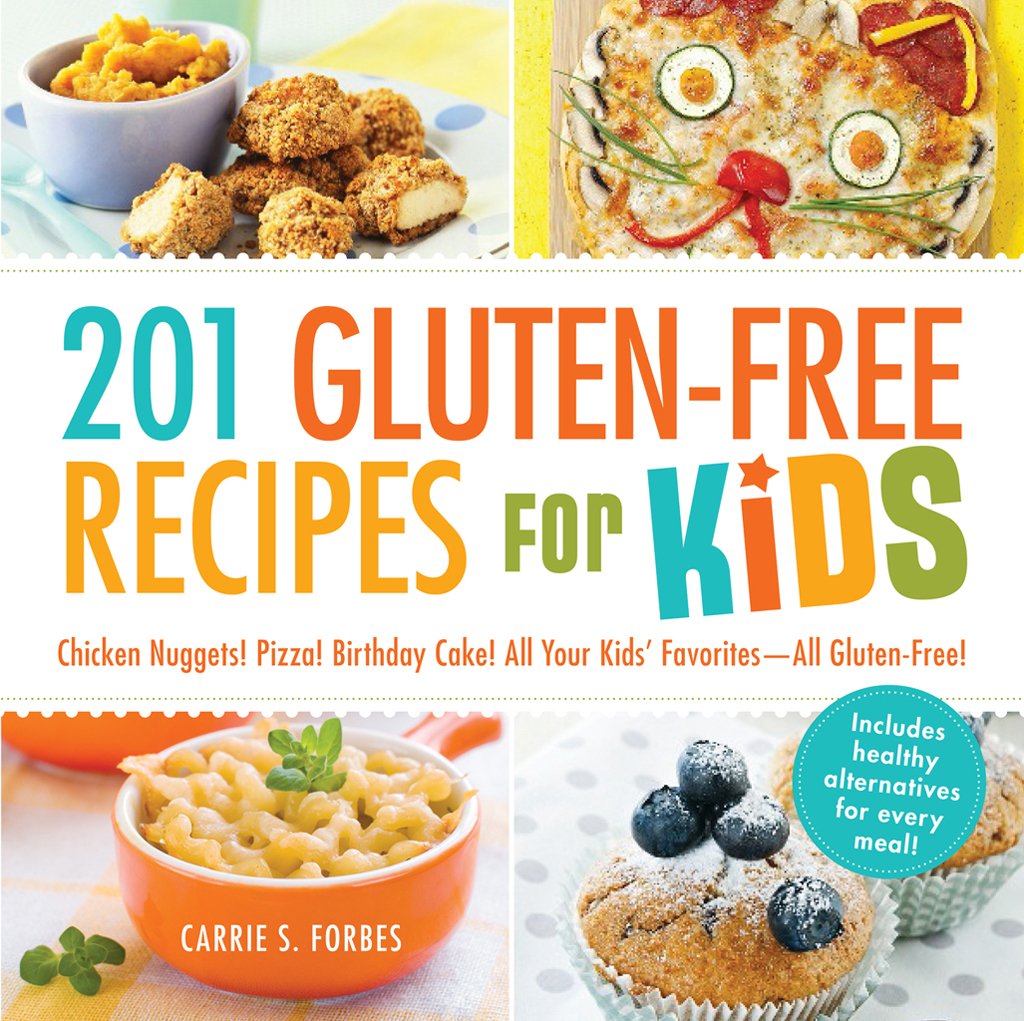
201 Gluten-Free Recipes for Kids

201 Gluten-Free Recipes for Kids
Publisher: Adams Media (2013)

Feeding your children is a full-time job – between picky eaters, constant media bombardment pushing bright, mascot-laden boxes, cans and bags of junk food and peer pressure from classmates to have “cool” lunches and snacks, figuring out the daily menu is tricky! When your child or another family member has dietary restrictions, though, that three-times-daily task becomes even harder. A lot of allergy-free (and especially gluten-free) ingredients, packaged foods and conventional recipes are not overly tasty, well textured or nutritious – and since children in particular thrive on texture (followed closely by sugar, salt and fat), the days of spoon-feeding baby food may seem like a long distant dream. Today, advances in gluten-free and vegan cooking have made allergy-free living not only bearable but enjoyable. Kid- (and parent-) friendly, safe food was clearly the goal of Carrie S. Forbes when she wrote 201 Gluten-Free Recipes for Kids.

GFK is definitely not just a “kid food” book, packed with junk food made of sugar and refined starches. Yes, there are “treat” foods and desserts – including chicken nuggets and brownies – but good, wholesome meals are the main focus. Recipes like Broccoli Quinoa Casserole (p. 123) and Fish Baked in Papillote (p. 118) are definitely more on par with the book’s aims, and their simple but elegant flavours will entice adults and children alike. Both meat and vegetarian entrees are featured in GFK, along with baked goods, salads, soups, sandwiches and sides. Of course, no meal is complete without dessert, and GFK is rife with those too. Holiday favourites like Sweet Potato Pie (p. 185) and weeknight treats like Chocolate Pudding (p. 206) get equal billing here, and everything sounds good enough to devour right off the page.

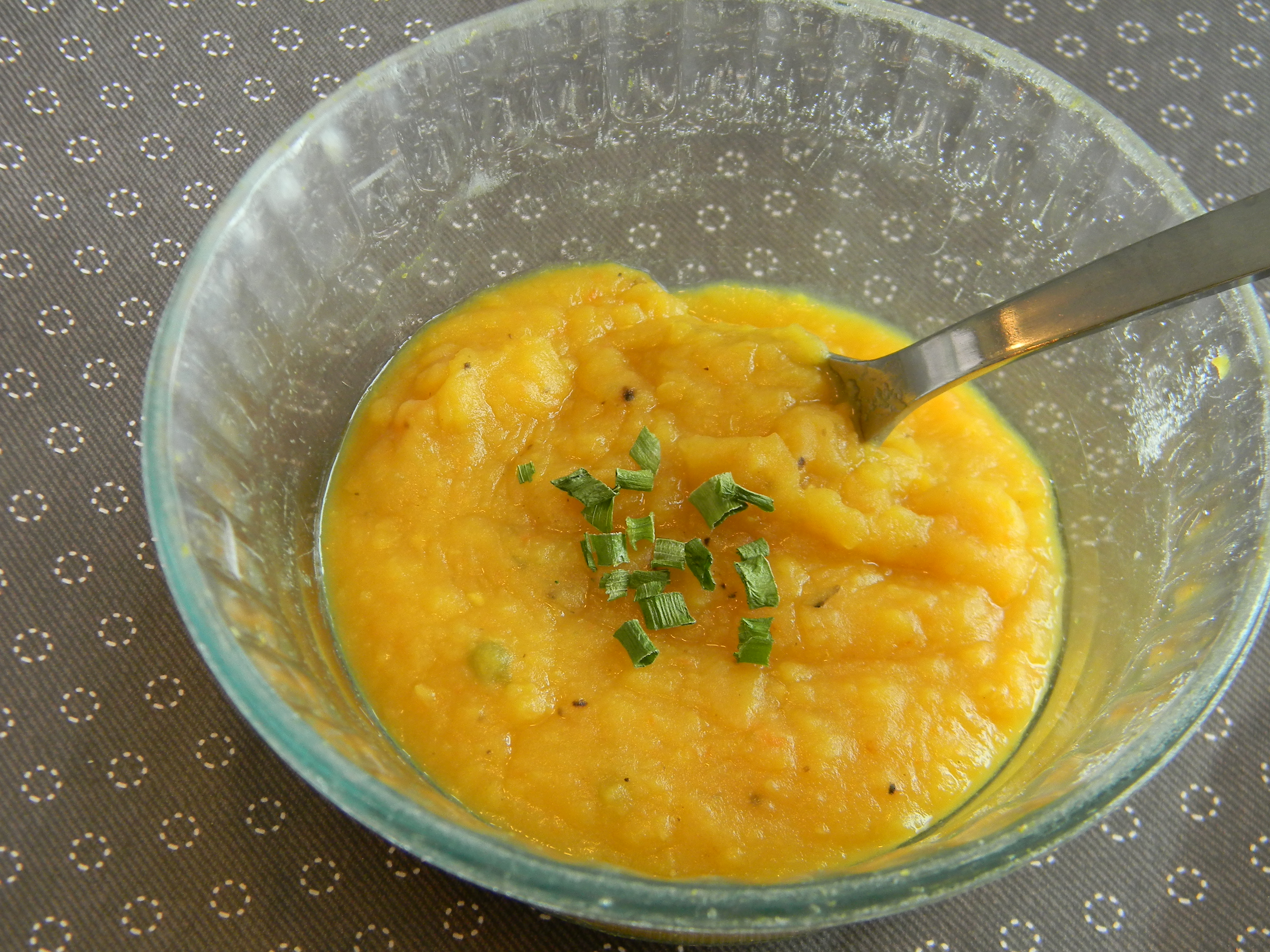
Split Pea Soup
Modified Split Pea Soup (p. 91)
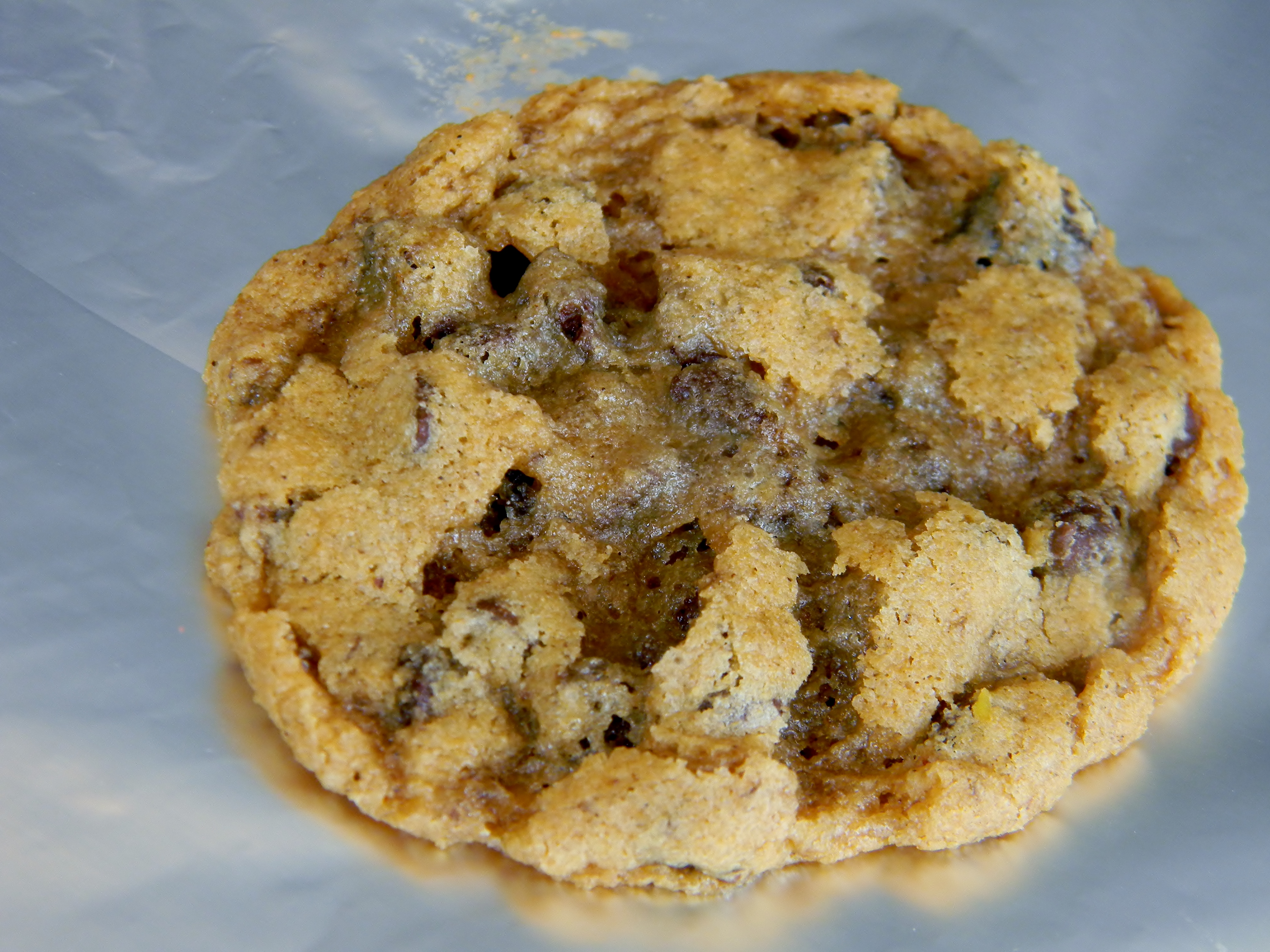
While most of my household doesn’t need to eat gluten- or allergy-free (myself and two second cousins being the exceptions), my social circle has a mosaic of various food restrictions, and speaking from experience I know it can be an alienating factor at gatherings. The first recipe I decided to whip up from GFK was the most comforting, homey, people-pleasing thing I could think of – Forbes’ Best Chocolate Chip Cookies (p. 191). Making the dough was a snap, but unfortunately the resulting cookies were as flat as crepes – probably due to a lack of xanthan or guar gum to properly bind the mixture. I tried chilling, freezing and baking the dough at different temperatures, but they all came out the same. Their saving grace was their flavour – they did taste fantastic, if you can get beyond the crispy, wafer-like texture. I had problems with other recipes in this book as well. In the Pumpkin Spice Muffins (p.40) recipe, there is no indication where to add the milk – a crucial ingredient – and the Split Pea Soup (p. 91) was in desperate need of extra liquid and seasoning (especially since the stated yield is 6 cups!). In addition to using easily 6 cups of water, I have also never seen a chunky split pea soup, so I pureed the mixture and believe the texture was much better for it. Luckily, most seasoned home cooks (gluten free or not) will be able to remedy those ratio situations easily. One omission that might trip up cooks unused to working with starches is in the aforementioned Chocolate Pudding – the author neglects to mention that the “¼ cup water, divided” needs to be half warm and half cold. I also noticed a potentially dangerous slip-up on page 150, which I hope will be remedied in the next printing – Forbes’ Secret Beef Burgers (p. 150) are, if you are to follow the instructions, to be served on whole wheat buns! Again, for those used to a gluten-free lifestyle this will not be an issue (since they will know wheat is a definite no-no), but if you are buying this book as a step into this type of food restriction you may find yourself with unpleasant results.

Gluten Free Chocolate Chip Cookies
Best Chocolate Chip Cookies (p. 191)
Not all the recipes are problematic, however – I (and several of my friends) thoroughly enjoyed the Double Chocolate Cupcakes (p. 188), the Apple-Roasted Carrots (p.161) and the Cauliflower and Potato Mash (p. 163).  All of these were not only delicious, but easy and appeal to both adults and children alike – the Mash is now on permanent rotation in our home since it is a great way to stretch the carbohydrate count out for my diabetic stepdad, and doesn’t contain fresh garlic (which he is allergic to). When I make it for myself, I add a clove of minced garlic, and a dash of paprika to the mixture (and usually have to add less liquid and fat – half of each, if not less, is sufficient.

One of the things I found disappointing was this book’s lack of photos. There is an insert of selected pictures, but as with the cover photos they are not necessarily of the actual recipe. The cover photos are stock images, and the inner shots were done by Jennifer L. Yandle, who also photographed for Forbes’ other books. Being one who loves to gawk at food photos while cooking, I would have liked to see more “real” ones, but I understand the necessity of using professional photographers for a published book. Forbes’ blog, Ginger Lemon Girl, is a prime example of her stunning photographs and is a website I frequent for the recipes as well.

While figuring out meals for the whole family to share can be a cause of frustration, Carrie S. Forbes is on a mission to make the task a little easier. With a bit of cooking know-how, anyone can cook, bake and enjoy recipes from 201 Gluten-Free Recipe for Kids, even if  those kids are grown!

Available on Amazon

Saturday, March 15, 2014

Homemade Condiments: Artisan Recipes Using Fresh, Natural Ingredients

Homemade Condiments: Artisan Recipes Using Fresh, Natural Ingredients
Publisher: Ulysses Press (December 3, 2013)

Most people can’t bear the thought of being without their condiments. The ability to doctor up the taste of relatively bland foods like chicken, tofu, pasta and rice, or disguise unwanted flavours (think of children and their vegetables) opens up a world of possibilities. With a simple change of sauce, a dish can travel from the United States to Russia, Germany, Thailand, France and Argentina without ever leaving the ground. However, most sauces and seasonings you find in the stores these days are laden with ingredients you’d rather not have – from long-maligned MSG to HFCS and a host of other acronyms and chemicals, it’s a wonder we haven’t all turned into the pickles we enjoy on our burger. In response to our super-processed life, a new trend has started towards homemade ingredients. Food writer Jessica Harlan is one of the promoters of this movement and dishes up 75 delicious, wholesome alternatives to the grocery store in Homemade Condiments: Artisan Recipes Using Fresh, Natural Ingredients.

Homemade Condiments is definitely not a book dedicated to doctoring up storebought food, nor is it limited to simple fare. The 123 pages run the gamut from Ketchups (p. 9) to Salad Dressings (p. 77), Sweet Sauces and Spreads (p. 103) and even Ethnic and Specialty Ingredients (p. 89). In each chapter are a multitude of recipes – for example, eight different ketchups (from Fresh Tomato (p.10) to Southwestern Tomatillo (p. 19)) and six types of mustard (my favourite being the Grainy Porter (p. 37)) are all unique in their ingredients and methods and all suit different purposes. Readers may discover a new love where the idea never existed before, or be able to re-create an old standby remembered from the Mom & Pop shops, before mass processing took away many of the small producers. Like all responsible “canned food” cookbook authors, Harlan includes an Appendix with notes on Food Safety and Canning (p. 116), Resources (p. 122) and Conversion Charts (p. 123). She also provides a brief but highly useful Introduction with sections regarding Setting Up Your Pantry (p. 3) and A Well Equipped Kitchen (p. 5), something that should be required reading for all budding home sauce-makers.

One of the best things about this book is that Harlan is realistic in terms of ingredients. Even in my small-town grocery store, I was able to find all the components I needed to make Asian Quick Pickles (p. 52) and Hoisin Sauce (p. 97), and it only took a quick trip to the Asian grocery one town over to find mirin (rice wine) for the Teriyaki Sauce (p. 96) recipe. However, if I was unable to find mirin, or found the fresh produce used throughout Homemade Condiments lacking in terms of quality, quantity or economy (which often happens in the winter!), Harlan offers substitutes that may be easier to find or more cost effective while maintaining the best flavour possible – including the use of high-quality canned tomatoes or individually quick frozen fruit. Thanks to those options, there is no reason to put off trying a recipe in Homemade Condiments that piques your interest.

If you’ve been longing to find that “secret ingredient” to jazz up your weeknight meals, take a browse through Jessica Harlan’s book Homemade Condiments: Artisan Recipes Using Fresh, Natural Ingredients. You’ll be sure to find at least one new fridge staple to call your own, and check off your shopping list permanently.

Available on Amazon

Sunday, March 9, 2014

Vegan Desserts in Jars

Vegan Desserts in Jars
Author: Kris Holechek Peters
Publisher: Ulysses Press (2013)

It’s hard to resist the allure of tucking into your own little dessert. Something about being able to eat all of something, not simply a slice or a scoop, draws us in and gives us a feeling of guilty pleasure and comfort. A treat made for you – just for you – to enjoy allows you to recreate the touches of home, where Mom would pack you a cookie for lunch, and indulges that little nugget of selfishness we all possess. Desserts in jars are not new, but most recipes contain eggs, dairy or other animal products, forcing vegans to substitute (which can lead to success or failure). Enter Vegan Desserts in Jars by Kris Holechek Peters, a vegan author and food blogger at nomnomnomblog.com, who brings perfectly portioned  treats that can fit into almost any lifestyle.

You certainly don’t have to be a vegan or vegetarian to love Vegan Desserts. If sweets are your thing, the pages will tempt you with crisps, cupcakes and puddings – all decadent and rich without being “stereotypical vegan” food. Even mixes for making your own goodies fill a small chapter, not to mention recipes for jams, toppings and fillings. I really appreciated the “Treats for Two” section (p. 83) – filled with weakness-instigating things like PB Banana Cake for Two (p. 87) – which eliminates the temptation (and fridge-clutter) of leftovers, but families will definitely find use for this book as well. Recipes are designed to create perfect individual portions of larger recipes, often serving 4-6, and most of them store well as well given the Mason jar’s handy lid.

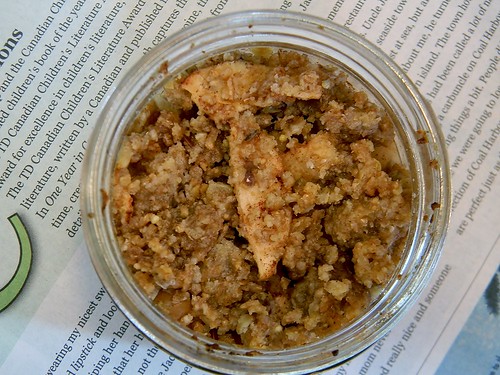
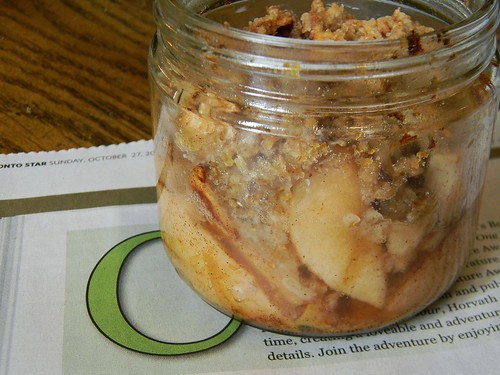
Apple Crisp in a Jar
Apple Crisp Cups (p. 50)
Being the author of a vegan recipe book for the masses, Peters does have to include a short discussion on the nuances of vegan cooking and baking. The most challenging aspect of converting any recipe to vegan is by far replacing the eggs. However, in Vegan Desserts’ opening chapter readers will find a handy chart that can also be used for recipes outside those 124 pages. While this method of cooking may be “old hat” for long-practicing vegans and those with egg allergies, for those used to the standard 1-2-3-4 cake method this section is invaluable. The largest section of Vegan Desserts is “Cakelettes” (p. 20), which contains not only your Basic Chocolate Cake (p. 21) but goodies like Spotted Dick (p. 31) and Tiramisu (p. 37). The whimsically titled Elvis in a Jar (p. 38) will capture the heart of any peanut butter and banana fan, but I have to say that the Rustic Rhubarb Cakes (p. 36) with flash-frozen homegrown rhubarb made our late-Autumn dinners. “Pie and Friends” (p. 42) was definitely where I spent the majority of my time with this book though, since I fell in love with the newfound portability of Peters’ Apple Crisp Cups (p. 50). Those have since become a favourite “visiting” gift that not only takes care of a sudden glut of apples in Fall (speaking from a family of zealous apple pickers) but is also perfect year round. I must confess that I essentially ignored the “No-Bake Treats” chapter (p. 5), simply because neither I nor my family are huge fans of the raw food scene and really do lean towards pie or cake rather than ice cream or pudding.

Apple Crisp in a Jar
Apple Crisp Cups (p. 50)
Whether you or someone you love abstain from animal product due to religious, ethical, environmental or health reasons, there is no reason to abstain from delicious food and the occasional sweet treat. From pies and cakes to pudding and trifles, nothing is off limits in Kris Holechek Peters’ book Vegan Desserts in Jars. Who knows – dessert could just be the greatest culinary equalizer out there!

Available on Amazon

Friday, February 21, 2014

Copykat.com's Dining Out At Home Cookbook 2

Copykat.com's Dining Out At Home Cookbook 2: More Recipes for the Most Delicious Dishes from America's Most Popular Restaurants
Publisher: Ulysses Press (2013)

Going out to eat is a treat we all enjoy – sometimes a bit too often. Sitting down to a meal at a restaurant often means gargantuan portions and mystery ingredients we’d rather not know about. Then there’s the price – at $10 and up a head, your dining budget can be blown by Wednesday. While molecular gastronomy is a bit beyond the reach of common home kitchens, traditional fare is far more accessible – not to mention cheaper, faster and fresher. “Copy-cat” cooking is even easier these days thanks to books like Stephanie Manley’s Copykat.com's Dining Out At Home Cookbook 2: More Recipes for the Most Delicious Dishes from America's Most Popular Restaurants. It’s her second compilation of the best of the restaurant classics and favourites, building on her successful website and the ever-present demand for the “secret recipes” we crave. 

Dining Out is perfect for those of us who enjoy casual or family restaurants as well as popular takeout or fast food spots. Items from Panera Bread and Starbucks are featured as well as favourites from IHOP and Outback Steakhouse. The biggest issue for international readers like myself is the fact that the restaurants are exclusively American-based (and usually) chains. While it may taste phenomenal, without the familiar point of reference the charm of enjoying a perfect slice of Luby’s Pecan Pie (p. 154) for example is slightly lost. Luckily, (or unluckily!) chains like Starbucks, KFC, Taco Bell and McDonalds are popular worldwide and have more or less standardized menus. Favourite standard and seasonal items (like KFC’s Coleslaw (p. 114) and Starbucks’ Pumpkin Spice Latte (p. 17) will tempt readers all over the globe, and once readers taste those copies the urge to make other (more or less foreign) foods will be irresistible.

Dining Out is an all inclusive book with respect to the meal options and ethnic diversity. Readers will be able to make and enjoy Lettuce Wraps from PF Chang’s China Bistro (p. 38) for a Chinese-inspired lunch or light dinner, cozy up to a bowl of Pesto Pasta from Alonti’s (p. 69) for an Italian supper and dig into good old American-style Banana Bread French Toast from IHOP® (p. 174) for Sunday breakfast. Desserts fit snugly into the book’s 312 pages too, so if you have a sweet tooth you certainly won’t be left behind! Sadly, there are no photos to tempt the visual cooks out there – inconvenient, although most readers will know what the finished products will look like anyway. Another thing to note about this book is that the recipes are formulated to be true to their namesakes – not healthier remakes. There is lots of fat and sugar floating around, which speaks to the richness of the final products as well as indicate what the restaurants really do to make their dishes menu-worthy.

That said, I initially struggled to find a recipe or two in this book to test for this review. Not only are a good portion of the restaurants US-based as mentioned before, but as a whole my family doesn’t eat out often and tend to stick to leaner fare. However, the Boiled Shrimp and Avocado Salsa (p. 41) from Saltgrass Steakhouse® was a hit with my co-workers, the Homemade Taco Seasoning (p. 191) became a boon to my household for our regular “taco nights” especially because it’s salt free (though for my vegetarian mix I added a touch of smoked salt, which was a definite plus). Of course, you can’t argue with the classic (and often craved) Pumpkin Spice Latte (p. 17), which is easily veganized (and honestly better tasting when you use unsweetened vanilla almond milk!) and not overly sweet. For those I shared the recipe with, it was the clincher that sold them on copy-cat recipes.

While we may not have the luxury of going out to eat every night, we can emulate the best of what we crave in our own kitchens. All we need is the “secret recipe” – and with Copykat.com's Dining Out At Home Cookbook 2: More Recipes for the Most Delicious Dishes from America's Most Popular Restaurants, you’re sure to find a treasure trove of them.  

Sunday, February 2, 2014

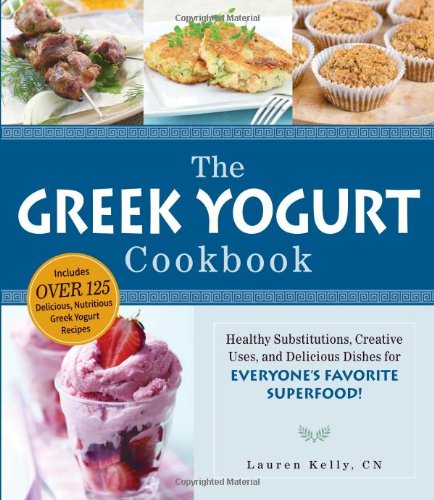
The Greek Yogurt Cookbook: Includes Over 125 Delicious, Nutritious Greek Yogurt Recipes

The Greek Yogurt Cookbook: Includes Over 125 Delicious, Nutritious Greek Yogurt Recipes
Author: Lauren Kelly
Publisher: Adams Media (2013)

Greek yogurt is definitely the health foodists’ darling these days. Thick, tart and full of pre- and probiotics, it’s a fantastic addition to the modern diet. It’s natural rich, yet “blank slate” flavour profile adds to it’s versatility, making it a boon to the home cook. This diversity beyond a simple breakfast food and smoothie medium is extolled by nutritionist Lauren Kelly in her latest book: The Greek Yogurt Cookbook: Includes Over 125 Delicious, Nutritious Greek Yogurt Recipes.

Greek Yogurt takes the plain dairy staple and transforms it into a wide array of taste sensations. Vegetarian items throughout the book are symbolized for easy reference – and with a handful of exceptions (mainly in the Entrée chapter) the recipes generally fit this dietary choice. Readers will find more standard uses for Greek yogurt, like Tzatziki Dip (p. 36) and Coffee Cake (p. 136), as well as more innovative items like Buffalo Chicken Pasta (p. 127) and Roasted Tomato Galette (p. 88). Not to be left out, there is also an entire chapter dedicated to smoothies – my favourite two being the Chocolate Peanut Butter (p. 55) and Oatmeal Cookie Dough (p. 66) varieties. When I made the Oatmeal Cookie Dough recipe, I swapped out the almond butter for cashew, which I felt lent a richer, less pronounced nuttiness while still keeping the “baked” flavour of the original (and is a trick I picked up from Cooking for the Specific Carbohydrate Diet: Over 100 Easy, Healthy, and Delicious Recipes that are Sugar-Free, Gluten-Free, and Grain-Free).  There are no photos of the dishes except on the cover and a smattering in the centre insert, which while not a deal-breaker is certainly something to consider if you are a visual learner.

Rich Chocolate Yoghurt Frosting
Deep Chocolate Frosting (p. 141)
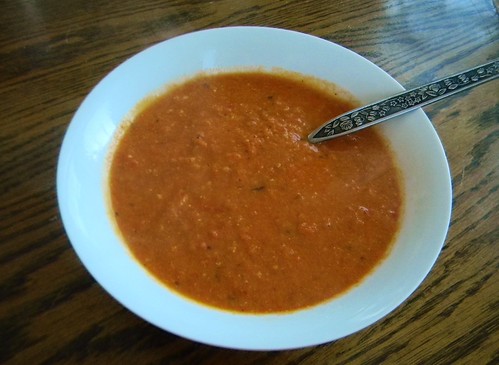
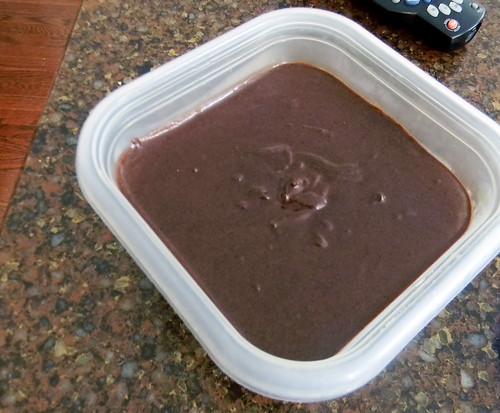
Since my family is generally not a fan of Greek yogurt au naturale, we were fascinated by what Kelly offered in her recipes. I used both storebought and homemade yogurts when cooking from this book, and as long as the consistency of the ingredient was thick and dense the amount of fat generally didn’t make an impact. For instance, the aforementioned smoothies were made with our usually purchased 0% brand, as was the Shrimp and Spinach Pasta Medley (p. 119) that we enjoyed between Christmas and New Year’s. The homemade yoghurt, clocking in at about 2% fat, made a surprisingly rich Deep Chocolate Frosting (p. 141) that had the perfect amount of tang to cut the icing sugar. I did, however, opt for the full-fat (10%) variety when I made the Chunky Tomato Soup with Fresh Basil (p. 41), given that it was a longer stovetop preparation and I didn’t want to risk it curdling in the heat. The soup was definitely my mom’s favourite recipe from the book – to quote her, the finished dish “tastes like an Italian Summer’s tomato sauce”. While cooking, it certainly evoked memories of past years’ long-simmered tomato sauces, and I’m sure that it would in fact be perfectly serviceable over a bed of linguine. 

Creamy Tomato Soup
Chunky Tomato Soup with Fresh Basil (p. 41)

Being a nutritionist, Kelly also makes sure to include a brief but important discussion in Greek Yogurt on the nutritional qualities of her star ingredient. While nowhere near a textbook’s worth of information, it is still a worthwhile read for those considering jumping on the yogurt bandwagon but are concerned that it is all simply a fad.

The simplicity in a bowl of creamy Greek yogurt is a pleasure all unto itself. However, it is also a versatile and nutritious ingredient that can make a meal truly special. Lauren Kelly realizes this and brings the delicious world of Greek yogurt to the masses with The Greek Yogurt Cookbook: Includes Over 125 Delicious, Nutritious Greek Yogurt Recipes – now a staple on my bookshelf.

Available on Amazon
Sunday, December 29, 2013

The Healing Herbs Cookbook

The Healing Herbs Cookbook
Author: Pat Crocker
Publisher: Robert Rose (2013) 


Herbs have long been reputed as nature’s pharmacy. For millennia, civilizations have relied on plants harvested from local areas to treat illness and infections as well as promoting general wellness. Figuring out what to do with herbs in modern day cooking, though is a relatively lost art limited mostly to flavour enhancement via grocery store staples. Pat Crocker, author of The Vegan Cook’s Bible, takes on the challenge of bringing more exotic herbs home with her latest piece – The Healing Herbs Cookbook.

Healing Herbs is not simply a cookbook, nor does it rely on the use of only common herbs. Crocker begins the book with what could be considered a miniature herbology textbook – with a discussion of herb history, an encyclopedia of different plants used in modern culinary and medicinal practice, advice about cooking with herbs and even a few pieces of advice about preparing her specific recipes. At the back of the book, Crocker also includes a handy glossary, resource guide and bibliography for further reading should you choose to further your herb studies.

One of the unique traits of Healing Herbs is that the recipes are not simply organized by type of dish (i.e. mains, soup) but also by season. This provides a handy idea of what we as consumers should be on the lookout for at the farmer’s market, and, if you want to grow your own, greenhouses. The seasonality of the herbs also piques interest as to what to search for in the local wilderness (although you should always check the local laws, as well as with the owners of the property (if private) and be sure of the safety of the plants before foraging and especially eating any wild plants). For instance, this blustery winter day could easily call for a bowl of Roasted Squash, Caramelized onion and Garlic Soup (p. 78), made with woodsy, robust rosemary and thyme, or a serving of thyme, shiitake and sage-laced Winter Vegetable Lasagna (p. 116). When the summer heat beckons us all outside though, Immune-Spiced Soba Noodle Salad (p. 143) sounds like a perfect lunch – especially with some Poached Cherries with Rosemary Custard (p. 153) for dessert.

I will say that most of the recipes in Healing Herbs are not for the amateur cook or palate – if traditional hot and sour soup from the local Chinese-American restaurant is your usual Asian fare, the ginseng and burdock in Crocker’s version (p. 70) may be a bit too “out there” for you to stomach. Likewise, Crocker often calls for many hard to find, odd looking and strange-tasting ingredients which can easily put off readers who don’t have access to varied international markets or have more timid palates. Some items taste downright medicinal (chamomile, hyssop and echinacea come to mind), and simply won’t jive with those who lack the taste for stereotypical “health food”.

That said, there are some recipes in this volume that are easy and accessible to almost everyone, not to mention they’re attuned to the “common” Western tastebuds. The Eggplant Manicotti with Spinach Manicotti Stuffing (p. 105), for example, is everything an Italian carb-watcher could want, being filled with basil, spinach and garlic-laced cheese and topped with simple tomato sauce. To her credit, Crocker also includes more common options for many exotic ingredients in her recipes. If ramps and maitake mushrooms aren’t your grocery store’s usual stock, regular old leeks and cremini or shiitake mushrooms will make a fine Cream of Mushroom Soup (p. 66). A few recipes are still beyond reach for the average cook, but most of the limitations are totally up to the palate of the reader.

With the abundance of medications being prescribed today, more of us would do better turning to the garden for prevention and cooperative treatment. While modern medicine lack taste and can in fact become useless when bacteria mutate and become resistant to the chemicals, herbs are biodynamic and flavourful options for meals, sides and desserts. With The Healing Herbs Cookbook, Pat Crocker endeavours to bring the nutritious and the delicious together, opening up a new world of healthy possibilities.

Asparagus Three-Cheese Burritos with Tomato Sauce (p. 96)
Excerpted from The Healing Herbs Cookbook by Pat Crocker 
© 2013 Robert Rose Inc. www.robertrose.ca. Reprinted with publisher permission.


Available on Amazon
Thursday, December 26, 2013

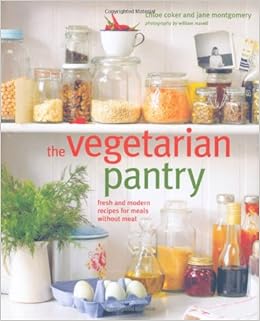
The Vegetarian Pantry: Fresh and Modern Recipes for Meals Without Meat

The Vegetarian Pantry: Fresh and Modern Recipes for Meals Without Meat
Authors: Chloe Coker and Jane Montgomery
Publisher: Ryland, Peters and Small (2013)

When it comes to homemade meals, a well-stocked pantry and a bunch of go-to recipes are essential. Nobody wants to have to run out to the store for a missing ingredient, especially when it comes to cooking for guests. When you eat a vegetarian diet, cooking for mixed company often brings a level of concern and “in-jest” (but still occasionally hurtful) jibes about the lifestyle. How can your meals possibly be tasty and filling? You must be anemic without having meat on your plate. Your muscles will waste away – you need more protein! On the other hand, if you have a meat eating family and are expecting vegetarians at a dinner party, what to cook can be equally stressful and overly puzzling – without meat at the centre of the table, what is possibly left? Chloe Coker and Jane Montgomery create stunning, healthy, hearty and delicious answers to these dilemmas in their book The Vegetarian Pantry: Fresh and Modern Recipes for Meals Without Meat.

Vegetarian Pantry covers every meal of the day – from Breakfast (p. 12) to Sweet Treats (p.118). The authors also include small sections for Small Bites (p. 28) and Dips, Salsas and Sauces (p. 50), which are indispensible for parties and light lunches. The book also offers a “quick-n-dirty” primer on a healthy vegetarian diet and a list of “good-to haves” in the kitchen for making delicious meals. The Well-Stocked Vegetarian Pantry (p. 10) also includes some handy tips for storing your ingredients, which is worth a read for any cook. No resource page is provided, but since most of the recipes call for easy-to-find ingredients this isn’t much of an issue. As if the names of recipes like Individual Baked Cheesecakes with Salted Honey Walnuts (p. 115) weren’t enough to send you racing to the kitchen, William Reavell lends his talent to Vegetarian Pantry, creating stunning, full colour photos of the dishes.

One of the refreshing things about Vegetarian Pantry is that it isn’t a health-guru bible. While the majority of recipes are generally nutritious, sugar, cheese, fat and – gasp! – deep frying also pepper the pages. By including indulgences like this, the authors bring a more approachable feel to the diet for non-vegetarians, while reminding them that the lifestyle is not all beans, lettuce and tofu. The Breadcrumbed Halloumi Goujons (p. 44) is a fantastic example of excess, and I wouldn’t be opposed to sitting down for French Toast Stuffed with Bananas (p. 25) on a Sunday morning.

Banana-Apricot Muffins
Honey and Apricot Breakfast Muffins (p. 26)
I tried a few recipes from the pages of Vegetarian Pantry, and had mixed results. My first project, Honey and Apricot Breakfast Muffins (p. 26) was missing a touch of salt, and the bake time of 30-40 minutes would have led to dense pucks of charcoal in muffin wrappers had I let them get that far (I wound up pulling them out at 20 minutes, and even then they were a bit too “done”). The taste was okay, but the dense texture and incorrect directions crossed off a remake for this reader. The Spicy Tomato Ketchup (p. 64) and the Sweet Chili Jam (p. 66) fared much better in my kitchen, and while I kept a few jars for myself (delicious!), I also canned a batch of each for holiday gifting. I’m led to believe that the authors are definitely more attuned to savoury cooking than baking, which most readers will find more useful anyways given most baked items are vegetarian by default.

Vegetarian cooking doesn’t have to be boring, flavourless or a complicated chore. There are so many options available that everyone can enjoy a meal together without compromise and come away full and happy. While I’d look elsewhere for desserts, Chloe Coker and Jane Montgomery’s The Vegetarian Pantry: Fresh and Modern Recipes for Meals Without Meat will certainly fill your plate with delicious, meat free fare.

Available on Amazon
Thursday, December 5, 2013

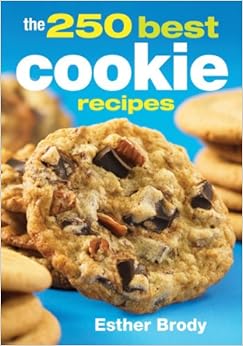
The 250 Best Cookie Recipes Cookbook

The 250 Best Cookie Recipes Cookbook
Author: Esther Brody
Publisher: Robert Rose (2013)

Christmastime in my house means one thing more than any other – cookies. My mom’s classic shortbreads are infamous to all those who are lucky enough to get a box of them each year, and for those of us who get a taste of the raw dough, they are pure nirvana. Try as I might, I still can’t recreate those melt-in-your-mouth treats exactly, but that doesn’t mean my gift baskets are cookieless. Instead, I tend to include a handful of unique creations that change year to year. Coming up with new twists on something as basic as a cookie can be challenging, but luckily new books like Esther Brody’s The 250 Best Cookie Recipes Cookbook are a great source of inspiration and know how.

Like its title, Brody’s book consists of 250 recipes for almost any type of cookie you can imagine. From run of the mill Chocolate Chip Oatmeal Cookies (p. 23) to the exotic-sounding Komish Bread Cookies (p. 140). There are so many varieties (and variations) that it would take years to get through them all, but you would undoubtedly find a favourite to stick to before then. This book is particularly good for those looking to start their own family tradition of cookie making, since while the recipes may be delicious in their own right we all know that none of them will match Mom’s or Grandma’s.

Knowing that I’d be gunning for disappointment if I attempted to make shortbreads (my mom’s specialty), I chose a few treats to try that we never made as kids. The first one I picked from Best Cookie RecipesWholesome Banana Granola Drops (p. 16) – came as a result of far too many bananas sitting on the counter and a batch of freshly made granola in my pantry. These serendipitous cookies turned out soft but not mushy, with a pillowy crumb flecked with crunchy morsels. They were not only delicious on their own, but made fantastic sandwich cookies with a smear of Nutella or peanut butter in between. The only shame is that these yummy (and semi-healthy) bites are really too tender for all but the most carefully packed lunchboxes, as they would make a perfect treat at school.

A more “packable” and “giftable” treat that I found in the pages of Best Cookie Recipes was Shirley’s Meringue Cookies (p. 137). This recipe piqued my interest because of it’s use of an added starch – potato or corn in this case. I was confused at the beginning though, as the ingredient list calls for potato flour, which is a very different ingredient than it’s suggested substitute of cornstarch. In the end, I opted for potato starch, and I think that was what the recipe author intended. To add a bit of extra flavour (since meringues are notorious for tasting just sweet), I used a minty trifecta of dried peppermint, peppermint extract and mint chocolate chips. The meringues took a lot longer to dry out that the stated 60 minutes, and I wound up turning off the oven (after an hour and 45 minutes) and leaving the cookies inside to cool completely. That said, the first bite of one was incredible – a crisp shattering of the outer shell, a not-quite-soft interior and a cooling pop of mint. Of all the meringues I’ve made over the years, these are definitely in my “top 5” after my revisions.

There are so many unique ideas in Best Cookie Recipes that I want to try in every section of the book! While the photos are minimal, they are there, and I appreciate the author’s foresight on that part. Brody also dedicates the book’s first five pagest to her Tips for Making Perfect Cookies, covering everything from ingredients and mixing techniques to freezing, room temperature storage and how to fix any problems that may arise. Even though I’ve been making cookies for years, it is valuable information to have and I suggest that every baker give this section a browse.

Whether you churn out dozens of different kinds for the holidays, or simply like to have a sweet treat in the cookie jar for when you come home, you are sure to find at least a few new options in Esther Brody’s The 250 Best Cookie Recipes Cookbook. While nothing will replace my mom’s shortbreads, I know that I can at least find another treat to call my own!

Available on Amazon

Sunday, November 10, 2013

Family Table: Favorite Staff Meals from Our Restaurants to Your Home

Family Table: Favorite Staff Meals from Our Restaurants to Your Home
Publisher: Houghton Mifflin Harcourt (2013)

Few diners ever see beyond the swinging doors of their favourite restaurants into the back of the house. Doing so means entering a whole new world – a hot, frantic yet perfectly orchestrated society of cooks, waitstaff, dishwashers and hosts, all who do their jobs almost invisibly, without seeking fame or attention from the clients they serve. It’s unusual to think about those hardworking men and women as diners as well – and with the pace of the job it’s often only in a few stolen moments that a meal can be wolfed down. Many establishments, especially the nicer table service ones, go out of their way to take care of their “family” of employees with the offer of a group meal before or after service. Staff often take turns cooking for their comrades to spread the workload and everyone sits together – without any reservations or “class” divisions of cook and waiter. Danny Meyer’s restaurants (Union Square Cafe, Gramercy Tavern and others) are some such establishments, and can no doubt attribute part of their success to the fact that the employees are well fed physically and mentally as a result. As an homage to the meals around the “family table”, Michael Romano, chef and partner of Meyer’s, penned Family Table: Favorite Staff Meals from Our Restaurants to Your Home.

Family Table is a compilation of recipes, stories and informative vignettes from the world behind the kitchen door. Each recipe has a short foreword describing a key ingredient or method, and peppered throughout the full-colour photograph pages are personal recollections of or from staff members, adding a true “homey” touch to this hardcover work. The dishes themselves run from soup and salad to pasta, meat and fish, with sides, breads and even a few quick and easy sweet staff favourites. Many of the recipes that sound complex and too haute cuisine for home cooks (let alone rushed staff pre-dinner), but thankfully upon reading they mellow to a doable, if fancier than usual, weeknight meal. Not every recipe is quick to prepare, but those that take time can be made on a weekend and leftovers served mid-week or frozen for later.

Given that this is a book written by restaurateurs, however, the reader should expect a certain level of “coffee table” ambience in Family Table. The dishes are definitely adult-oriented, and usually serve 4-6, which while useful for dinner parties and the occasional birthday will likely fall by the wayside in a conventional household. If cost control is an issue, some recipes will be unapproachable as well (due to ingredients like Parmigiano-Reggiano and specialty ethnic items), though things like homemade Fresh Pasta Dough (p. 108) and Brisket with Red-Eye Gravy (p. 190) cost more time than pennies. Relatively inexpensive and quick recipes can be found in the mix, though, with most of the egg chapter and a Patty Melt (p. 172) looking like a safe bet in that regard.

Generally, Family Table is an international mix of meals, from Japanese Soba Salad with Miso Dressing (p. 84) to Moroccan Lamb Meatballs with Yogurt Sauce (p. 204), French Basic Brioche (p. 262) and Italian Mama Romano’s Lasagna (p. 105). More “American” items stud the pages as well, ensuring that there is something for everyone. Desserts smack of the homemade treats your mother may have made when you were a child, albeit a more refined version, and the stories from and about the pastry and bakery chefs ring of that “homey” passion and family bonds that tie the restaurants together.

I don’t think that Family Table will become an everyday cookbook for most people, being a little too fussy for the weeknight schedules we all have. That said, it is a great read for those looking for the personalities behind the brightly lit signs of the local restaurant, and for Sunday night dinners and the occasional family get together at the holidays, the recipes are a solid twist on home cooking. Family Table: Favorite Staff Meals from Our Restaurants to Your Home enlightened and tempted me, and with luck one day I’ll have cause to serve up one of Romano’s colleagues’ meals in my own kitchen.

Available on Amazon