Showing posts with label 2015. Show all posts

Thursday, August 18, 2016

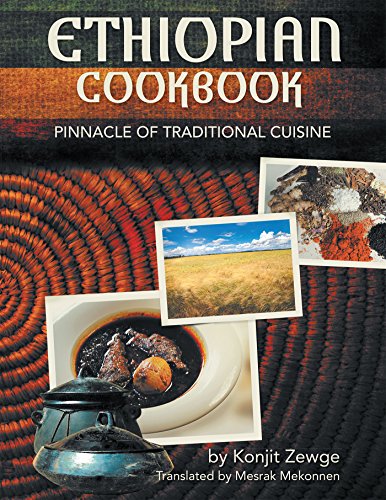
Ethiopian Cookbook: Pinnacle of Traditional Cuisine

Ethiopian Cookbook: Pinnacle of Traditional Cuisine
Author: Konjit Zewge (Translated by Mesrak Mekonnen)
Publisher: Xlibris (2015)

I found this book fascinating, as I love African culture and cuisine, however in practice this book is confusing and impractical for most home cooks. A beautiful coffee-table paperback, but not a truly usable cookbook for North American lifestyles.


Traditional Ethiopian Cuisine for Breakfast, Lunch and Dinner
New cookbook translates recipes passed down for generations

SAN FRANCISCO – Helping to pass along the recipes used for generations by the women in her family, “Ethiopian Cookbook” by Konjit Zewge includes traditional Ethiopian cuisine for meat eaters, vegetarians and vegans.
The book was originally written in Amharic and translated to English by Zewge’s daughter, Mesrak Mekonnen.
This book shares the ingredients and preparation methods for a style of cooking that characterizes Ethiopian cooking. The book also includes a glossary to explain important terms for cooks of all skill levels.
Ethiopian dishes are usually prepared in stew forms and almost always served with ‘injera.” The main ingredients are meat, grains, and legumes. Red meat and chicken are prepared with butter, while fish, legumes, and grain dishes are prepared with oil.
“My mother has written the dishes she loved to prepare and serve,” Mekonnen said. “It is her sincere hope that you will enjoy cooking and serving these unique dishes as much as she does.”


About the author
Konjit Zewge, at the age of 89, documented her succulent dishes in her book “Yemouya Kouncho.” She wrote her book for the sole purpose of passing the art of preparing traditional Ethiopian cuisine to the next generation. Her parents' home was always filled with extended family, neighbors and other visitors who delighted in the savoy dishes. Running the household was traditionally the women's job and learning how to prepare food started at an early age. As an ardent student, Zewge made it a point to write down procedures, the various ingredients and amount used in recipes. Her book has been translated to English by her daughter, Mesrak Mekonnen. Mekonnen lives in San Francisco.

Saturday, June 11, 2016

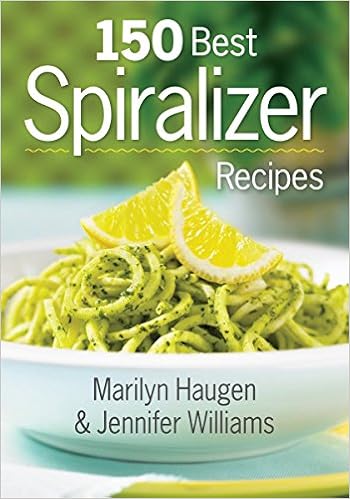
150 Best Spiralizer Recipes

150 Best Spiralizer Recipes
Authors: Marilyn Haugen and Jennifer Williams
Publisher: Robert Rose (2015)

I’ve owned my share of kitchen gadgets over the years. Some, I use regularly – my microplane, a food mill, canning set (tongs and funnel) and a spice grinder, to name a few – not to mention my mini-arsenal of small appliances, including my heavy duty stand mixer and food processor. Other stuff I either bought or was gifted but almost never use. Things like our garlic press, julienne peeler, egg separator, icing comb and pie divider make honourable mentions there, no doubt. Then there’s the awkward “middle children” of my culinary collection – the motley crew of mandolin, potato ricer, cake leveler and instant read thermometer that are used just enough to warrant their existence in my household but not enough to be included in my most convenient cupboards or on my counter. I’ve had to become nothing short of nit-picky when selecting new items to buy, trying to anticipate just how much I’d use them and how versatile they’d be, given that I cook and bake both at home but also as a Home Economics teacher. When the Spiralizer (and it’s various spinoffs) became a craze, I initially held off – at least until our garden started mass-producing zucchini. Suddenly, veggie-noodles didn’t sound too bad! Luckily, about the time we had ratatouille and zucchini-breaded ourselves out of existence, my review copy of 150 Best Spiralizer Recipes by Marilyn Haugen and Jennifer Williams showed up on my doorstep.

Spiralizer is true to it’s title, being filled with 150 (mostly delicious-sounding) recipes suitable for almost everyone. The book is organized largely by diet style, rather than recipe type – from Paleo and Raw to Gluten Free and Vegetarian / Vegan. For those of you who are completely new to the art of making vegetables into twirly works of art, Haugen and Williams have compiled a 13 page primer in the book’s beginning. Spiralizing Basics (p.8) covers the parts of a generic machine as well as listing a few other tools that are handy for most applications. Next is The Spiralizing Pantry (p. 10), a comprehensive listing of how to spiralize what as well as suggestions for preparing and storing finished spirals. The Pantry also includes suggestions for flavourings and oils as well as a basic tip-sheet, all of which combine with the rest of the intro to create a “safety net” that will let any reader break out their machine with confidence.

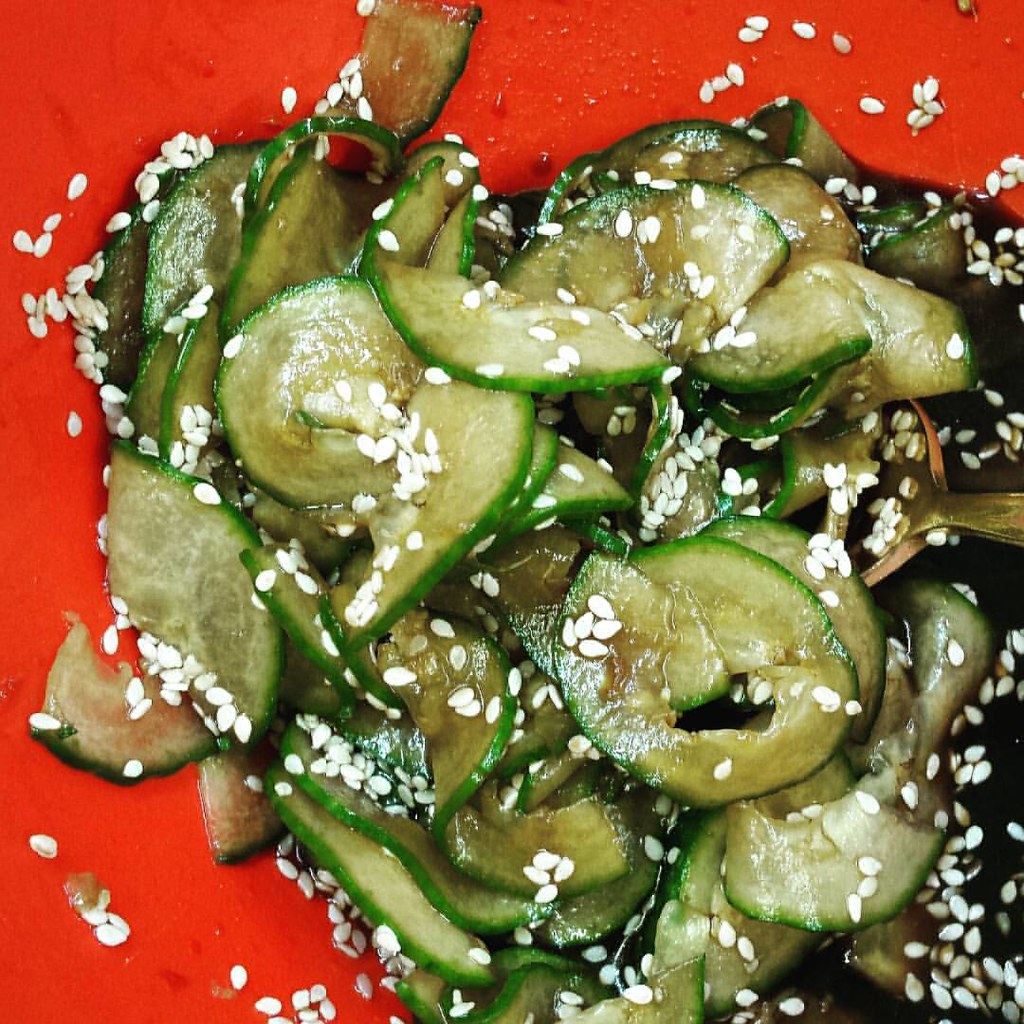
Japanese Sunomono - a light and refreshing #vegan cucumber salad perfect for #summer (and #SundaySupper )! #yum #food #vegetarian #glutenfree #vegetables
Sunomono
The recipes are easy to read, with bold titles and a standardized format that includes introductions, metric and imperial measures. I say the recipes are “delicious-sounding” because, in Robert Rose fashion, there aren’t photos available for all the recipes. Two pockets of full-colour pictures were slotted in – albeit a bit randomly in the middle of a recipe section rather than in between chapters. The text of each recipe is no-nonsense, with easy to follow, numbered directions and handy “tip boxes” accompanying most items. The directions themselves are a clear sign that the authors took their proofreading and editing seriously, even as a new reader skimming through.

On the cooking and eating side, the Spicy Shoestring Jicama Fries (p. 184) were amazing and crisp, albeit a bit too salty for my taste and a true struggle for my Spiralizer to manage. Sweet Potato Noodles with Mushroom Marinara (p. 152) sounded delicious but a trial to spiralize, a tad salty and with a very oily – I found myself wanting much more mushroom. If I made it again, I would add some dried mushrooms and let them soften in the sauce. I haven’t attempted any of the “dessert-style” offerings yet, but it is good to know that the gadget’s not just for savoury things. It’s important to note, as well, that these authors are not doctors or nutritionists, and that many of the recipes, while technically “fitting into” the category they’ve been assigned to, are imbalanced. For instance, most of the vegetarian and vegan recipes lack protein – a key fact they will realize but those trying such a diet as a “fad” may not. When in doubt, researching any or all of the listed eating styles will help readers modify the recipes t suit themselves.

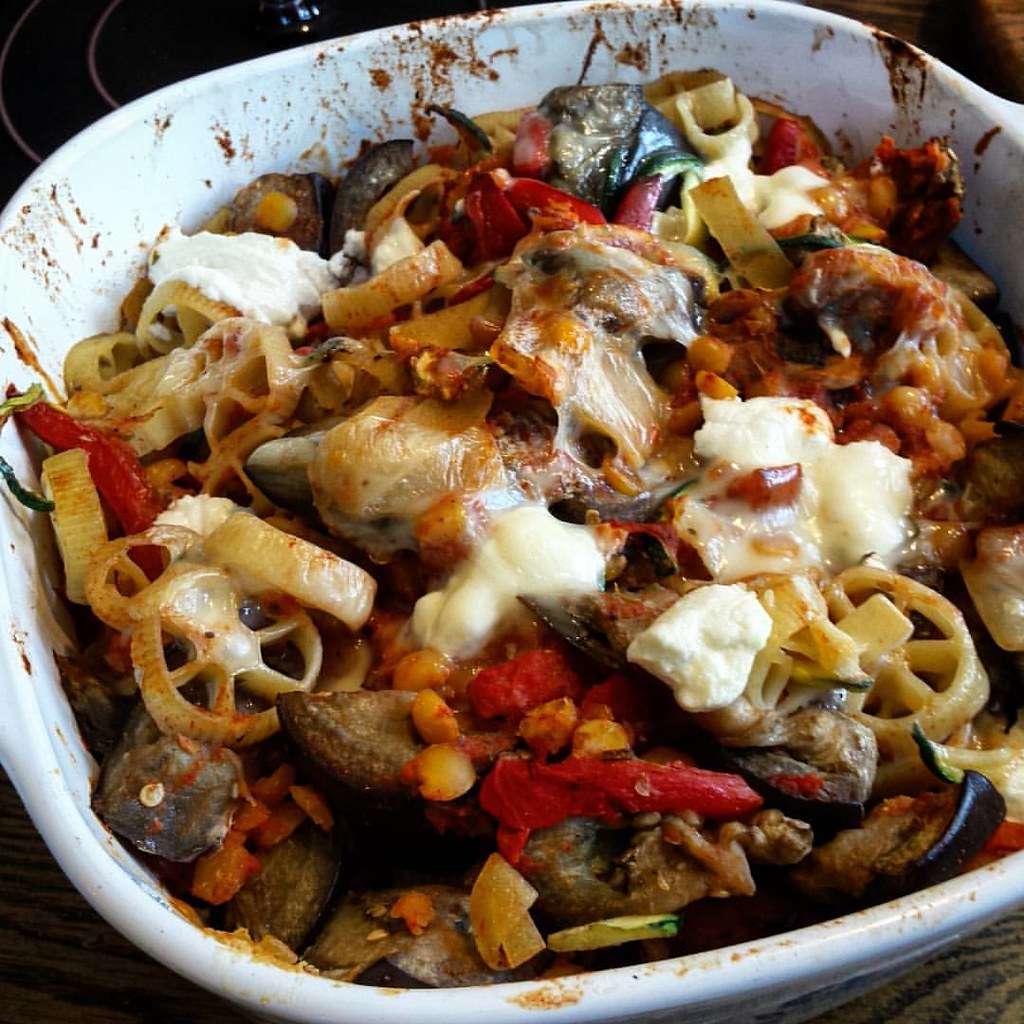
Pictures don't do this Pasta-touille justice. TONS of #vegetables, split peas and a teeny bit of #chicken, laced with goat and fresh mozzarella #cheese ! #yum #food #cooking #baked #SundaySupper #tomatoes #foodie #dinner
Pasta-Touille
Possibly the best part about this whole book is that it’s a fantastic source of inspiration. While it’s not a recipe given in Spiralizer, I dreamed up (and devoured) a version of a Japanese cucumber salad for my Home Economics class to try. They loved the salad, and the gadget, and it’s given me reason to bring it out again for other treats. At home, the device mowed through zucchini and red pepper to make a version of ratatouille pasta that was filling but light on the waistline. While the appliance is still not a “must have” fixture in my kitchen, the book makes using it more approachable and I won’t be throwing it out anytime soon. No, like many hidden gems, it will remain one of my “middle children” until I find the right way to make it (and lots of assorted veggies) bloom.

Available on Amazon

Sunday, January 31, 2016

For the Love of Food and Yoga: A Celebration of Mindful Eating and Being

For the Love of Food and Yoga: A Celebration of Mindful Eating and Being
Publisher: (2015)

I can’t tell which I fell in love with first – yoga or food. There’s a certain zen to each craft – be it working towards inner peace through daily asanas or allowing the flavours of a perfectly balanced meal dance across the tongue. While many people think the practice of yoga is ascetic and the enjoyment of delicious cuisine is overly decadent, separating each other with a distinct wall, the fact is that the two can work in glorious harmony. Authors Liz Price-Kellogg, a trained yoga instructor, and her student Kristen Taylor, embody this philosophy in their book For the Love of Food and Yoga: A Celebration of Mindful Eating and Being.

Food and Yoga is a combination of photo album, yoga guide and cookbook. The pages are packed with 100 recipes, each either vegan or vegetarian, and are peppered with inspirational quotations (“YogiBites”) from the likes of people such as Einstein, the Dalai Lama, Julia Child and even Steve Jobs. Asanas are shown in glorious full-colour photographs taken along the St. Lawrence River and are titled in both Hindi and English, with an (English) description as to the benefits of that pose. For instance, one of my favourites (Bhujangasana or Cobra Pose (p. 161)) “strengthens upper body, elevates mood, opens heart center” and is photographed with a glorious view of the river and its shores. Recipes are also artfully captured by either the authors, Blake Price-Kellogg or Jonathan Taylor, each enticing readers to try the cleverly-titled recipes like Restful Rosemary Potatoes (p. 80), Seated Spinach (p.134) and Chakra Fruit Salad (p. 254). In fact, even non-foodies will find this book is worth buying for the photography alone, more suitable for keeping on coffee tables or open shelves rather than closed-door pantries.

Vasisthasana III (Advanced Side Plank) - All Rights Live Yum LLC

The recipes themselves are a great combination of simplicity and complexity – both in ingredients and flavours. Realized Roasted Tomatoes (p. 68) call for only a handful of ingredients and steps, but lend considerable depth to a simple pasta dish or warm grain salad. Likewise, Buddha Brussels (p. 64) will turn almost anybody onto the flavour of roasted sprouts thanks to their perfect marriage of garlic, Dijon and just a hint of cayenne. The innocuously named Liberating Lentil soup (p. 108) is full of complexity thanks to a generous helping of both umami, tart and sweet ingredients – each in harmony with the other and creating a satisfying, yet crave able, bowl of comfort. It’s impossible to pick just a single favourite from the book, but both the vegan Asian Style Wealthy Wonton Purses (p.230) and the Sinfully Sublime Mousse Mountains (p. 244) are in demand with those who taste them!

Napoleon - All Rights Live Yum LLC

For those days when body and soul nourishment is lacking, Liz Price-Kellogg and Kristen Taylor’s book is more than satisfying food for the soul. Whether you’re a Zen master, five-star chef, master photographer or simply someone who loves the art of balance, you’ll find something to love in the pages of For the Love of Food and Yoga: A Celebration of Mindful Eating and Being.

Available on Amazon

Wednesday, December 30, 2015

Brown Eggs and Jam Jars

Brown Eggs and Jam Jars
Author: Aimée Wimbush-Bourque
Publisher: Penguin Canada (2015)

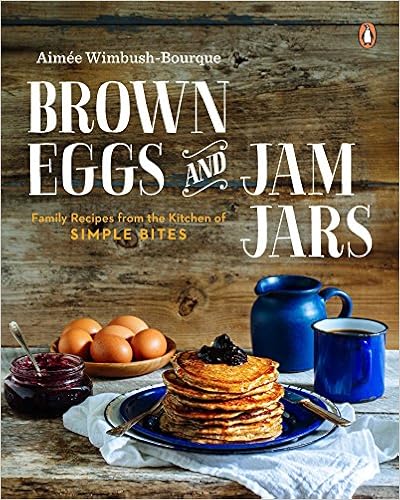
I often joke that I live on a farm – between the spacious backyard packed with various gardens to the literal cattle and sheep over the back fence, it’s easy to forget that I’m actually in a fairy major suburb of Toronto. That said, I’m still mentally a rural girl and have a passion for the art of homesteading – particularly making my own pantry items like jams and sauces, baking my own bread, and dehydrating leftover garden or local produce. Those techniques are about as far as I can go, but fellow Canadian, food blogger and now author Aimée Wimbush-Bourque takes it a step farther – both online on her website Simple Bites (www.simplebites.net/) and in her new book (named for two of my favourite things): Brown Eggs and Jam Jars.

Brown Eggs is definitely a season-oriented cookbook, with distinctly marked chapters for each quarter of the year as well as a preface of Useful Ingredients (xvi) and Helpful Tools and Equipment (xxii). These sections are further broken down into richly photographed sub-chapters with recipes prefaced by a heart-warming story from Wimbush-Bourque’s family life. Even if the particular dish never makes it to your own table, reading why the author adores it herself is entertaining and truly captures your heart. The recipes themselves are everything I’ve loved about her blog since finding it – no fuss, whole-food concoctions that don’t “preach” a certain diet or lifestyle. Brown Eggs is simply a book full of good food to feed your family. All this said, most dietary lifestyles can enjoy at least some of the dishes in this book, although modification will be required for vegetarians and vegans for the majority of the main courses.

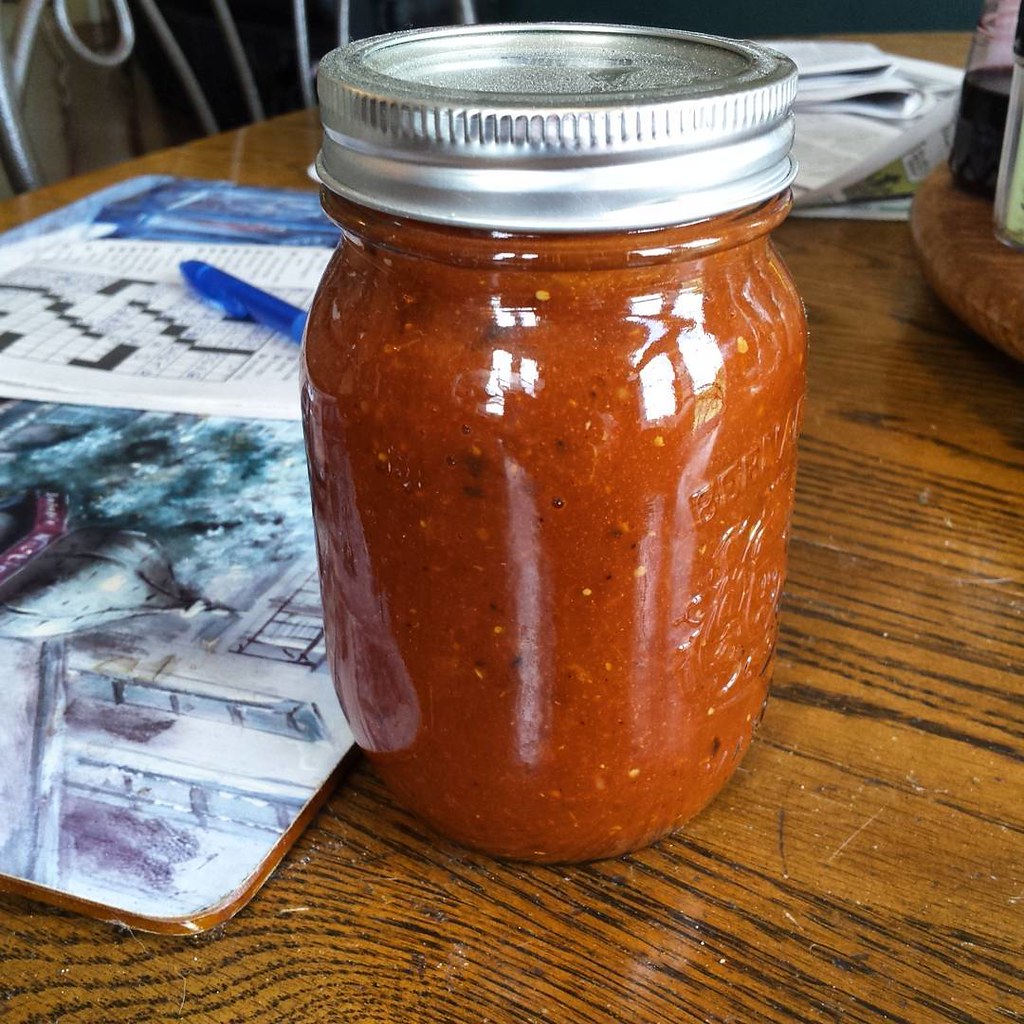
Roasted Ontario Peach BBQ Sauce!
Roasted Peach BBQ Sauce (p. 81)
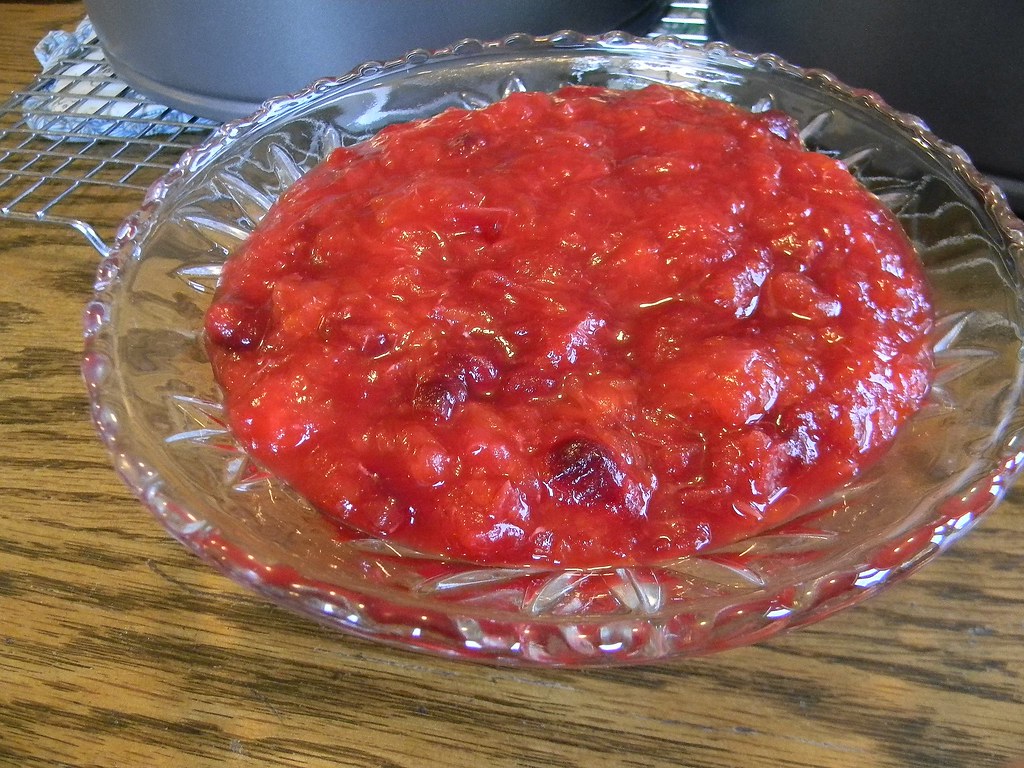
Given the author’s location in rural Quebec (on a third of an acre of land backing onto a maple forest), it is not surprising that a large quantity of honey and maple syrup is utilized – a fact that can cause some items like the delicious looking Chocolate-Beet Sheet Cake (p. 204) to be rather expensive for “city folk” to pull off. It is worth noting, however, that most of the maple syrup Wimbush-Bourque calls for is only in the “sugaring off” seasons, where most sugar shacks offer decent prices. Desserts aside, total sugars in Brown Eggs are kept to a minimum – usually no more than a few tablespoons, if any). Instead, fruit and naturally sweet vegetables are brought forward – a hearty serving of Honey Ginger Sweet Potato Puree (p. 225) only has ¼ tablespoon of the namesake sweetener, but it is worth noting that a dark, flavourful variety (chestnut is my favourite, while buckwheat is my mom’s) really shines through. Even the rich, smoky sweetness of the book’s Roasted Peach BBQ Sauce (p. 81) is almost exclusively from the caramelized, nectar-oozing fruit, augmented with apple juice and just a whisper of honey. I particularly enjoyed Wimbush-Bourque’s take on traditional cranberry sauce – Cranberry Clementine Relish (p. 224) – because it wasn’t cloyingly sweet, and was bright with the citrus, berries and a touch of vinegar. All the recipes I tried in this book were easy to follow, albeit slightly difficult to find in the sense that they are not organized within the sub-chapters by type (i.e. appetizers, mains, desserts). I haven’t tried any of the “basic” pantry items like the Mayonnaise (p. 35) or Strawberry-Honey Jam with Orange Zest (p. 152), but if the need arises I’ll know where to turn.

Cranberry Clementine Relish
Cranberry Clementine Relish (p. 224)
While full-on homesteading life is not for everyone, anyone can do one or two things to bring less processed, more local and overall delicious food to their table. Brown Eggs and Jam Jars by Aimée Wimbush-Bourque is definitely a fantastic place to start, and is gorgeous enough for any coffee table too!

Monday, November 23, 2015

Vegan Everyday: 500 Delicious Recipes


Vegan Everyday: 500 Delicious Recipes
Author: Douglas McNish
Publisher: Robert Rose (2015)

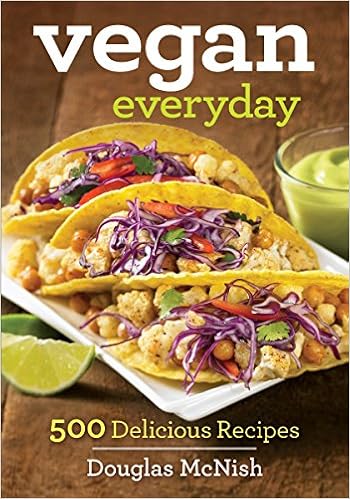
Veganism isn’t the easiest diet for many people to get their heads around – considering that animal-based ingredients are everywhere (from supplements to “fortified” orange juice and even soy-based cheese and meat alternatives!) consumers almost need a university science degree to adhere to the “cruelty free” standards of living these days. While there is compelling evidence s,that a meat free (or mostly meat free) diet is better for your heart, liver, kidneys and digestive system, a lot of new vegetarians and aspiring vegans tend to turn to meat and dairy analogues for the bulk of their diet. The occasional soy burger or “unchicken” stir fry is rarely an issue, and is a convenient, quick meal mid week – however, forgetting the basic fruits, vegetables, legumes and grains out there that are not only cheaper, but more nutritious, is the pitfall most of the “mainstream”, non-chef vegans I know fall into. Toronto-based vegan chef and author Douglas McNish is aiming to bridge the gap between time consuming, nutritious ingredients and delicious, simple meals in his new book Vegan Everyday: 500 Delicious Recipes.

Vegan Everyday is relatively unique in that it’s not simply a vegan cookbook. McNish is also a supporter of gluten-free eating, and one of the few chefs in Canada who combine the two. Vegan Everyday is perhaps a bit of a misleading title in this respect, since the recipes are both vegan and gluten free – and while generally available, affordable (and whole- food) vegan ingredients are almost exclusively called for, many consumers in smaller cities may have a harder time sourcing certified gluten free items to make recipes to the letter. This book, however, doesn’t directly demonize gluten nor wax poetic about how animal products are harming everything we hold dear, and unless medical reasons are a determining factor using “standard” versions of foods like oats and pasta do not have any bearing on the outcome of the recipes themselves.

One of the things I like about Vegan Everyday is how McNish manages to demonstrate the importance of a well stocked pantry – not only for restricted diet cooking, but in general as well. Most of the time, nutritious cooking methods are also employed, with the author relying heavily on fresh and dried herbs, whole spices and whole food flavour combinations rather than refined salt and sugar to make delicious and filling meals. The fact that this book is so restricted in its focus means that it’s not overly child- or allergy-friendly in design – only a handful of the recipes would be suitable for a “standard” American household, and for those with allergies to nuts or coconut, a different book entirely would make more sense. Those of us who thrive on visual references when cooking will find that this book is sorely lacking photos as well – more so than many other books by this publisher. The two meager inserts in the middle of the 480-page tome are only partially filled with pictures of the recipes themselves – the rest of the pages are “beauty shots” of various fruit and vegetables that have little bearing on what the book represents.

The recipes in Vegan Everyday are delicious in theory – and while paging through the book I earmarked several whose flavour combinations echoed my own tastes (like Baked Chana Masala (p. 349) and Deep Chocolate Brownies (p. 444)). However, when it came to making the dishes in question, my success rate diminished to roughly half. In general, the simple, low- or no-cook items (like Singapore Summer Rolls (p. 93) and Spinach Sautéed in White Wine and Garlic (p. 292)), while not overly original, were great successes with vegans and non-vegans alike. The soups I tried were for the most part delicious (and all certainly passable) – in fact, the Roasted Cauliflower and Garlic Soup (p. 328) has become one of my favourites with a dash of smoked paprika whirled in, and while the texture of the vegan Mozzarella called for in the French Onion Soup (p. 316) was off-putting, the broth underneath was rich and definitely worth a repeat. With the holidays coming around, the Triple Ginger Cookies (p. 428) and Lemon Vanilla Biscotti (p. 437) are on my shortlist too!
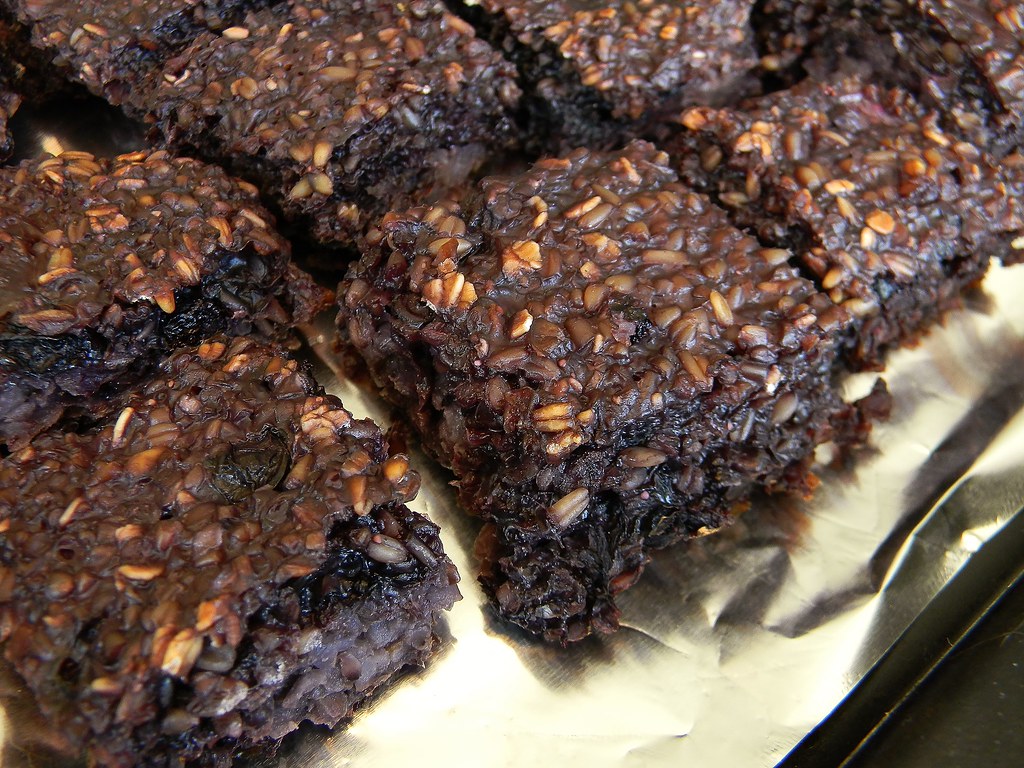
Berry Oat Bars
Berry Oat Bars (p. 157)

Unfortunately, many other dishes simply fell short of being worth the time and effort to make them. The namesake protein in the Jerk Tofu, Avocado and Plantain Wraps (p. 360) was closer to a holiday spice cookie than an Island dish in flavour, lacking any hint of jerk’s trademark fire. Berry Oat Bars (p. 157) managed to be both mushy and granular in texture – the steel cut oats retained a bit too much structure after chilling and felt like overly chewy tapioca pearls between my teeth. The presentation of the bars also left a lot to be desired, as they first fell apart when I tried to remove them from the pan, then re-baked into dark, crusty cubes even after following the directions to the letter. Penne a la Vodka (p. 265) looked promising but tasted of nothing but alcohol and gummy cashews.

One of the common misconceptions about veganism is that it’s a guaranteed weight-loss diet that is automatically healthy. While I applaud Douglas McNish’s passion for choosing generally nutritious ingredients, I definitely won’t call this a “low calorie” cookbook for dieters! Vegan Everyday uses a generous amount of various sugars (usually agave nectar, which is itself a refined sweetener) and salty ingredients like miso, neither of which should have a starring role in anyone’s daily menu. Many recipes call for high amounts of naturally fatty nuts, seeds and oils as well – and while these choices also tend to provide added nutrients like Omega fatty acids and vitamins, again moderation should be exercised. With a few modifications to the recipes (which could be as simple as reducing the amount of oil, agave and/or salty ingredients) this book would better suit it’s “everyday” moniker.

You don’t have to be a 24/7 meat-avoider to enjoy vegan fare at least a few nights a week – nor do you need gourmet training to create filling, balanced and healthy dishes. Books like Douglas McNish’s Vegan Everyday: 500 Delicious Recipes are a great resource when it comes to basic recipes and cooking methods, as well as ideas for making up your own stellar meals. With a few stars under your belt, you’ll be ready to tackle any breakfast, lunch or dinner situation.

Available on Amazon

Saturday, October 3, 2015

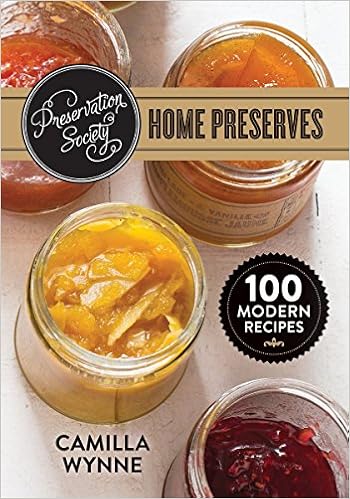
Preservation Society Home Preserves: 100 Modern Recipes

Preservation Society Home Preserves: 100 Modern Recipes
Author: Camilla Wynne
Publisher: Robert Rose (2015)


It’s no secret that I spend a good chunk of my Summer and early Fall standing over a stove full of boiling pots. Whether I’m crafting a classic bread and butter pickle, marinara sauce or jam, while the garden is producing I am conserving full-tilt. There’s nothing more rewarding than cracking open a jar of peach jelly in the dead of winter that you canned from still-warm fruit in August, or being able to set an antipasto platter with pickled vegetables that you can proudly claim you made. While canning and preserving is commonly dismissed as a “lost art” that demands more time and effort than our “5-second” lifestyle can afford, pockets of professionals and would-be gourmets are trying to bring it back in favour. Camilla Wynne is one such foodie – an ex-musician turned Master Preserver, writer, teacher and founder of Preservation Society in Quebec. Her book, Preservation Society Home Preserves: 100 Modern Recipes, is now available in English and is a decadent read for anyone with a passion for preserving.

Wynne sets a mandate in Preservation Society to use as much local, seasonal produce as possible. Beyond the realm of simple strawberry jam or applesauce, recipes run the gamut from cocktail-inspired (Strawberry Margarita Jam, p.29) to dessert-worthy (Poires Belle Hélène, p. 82), spicy (Devil’s Chutney, p. 130) and even somewhat bizarre (Pickled Raisins, p. 118). Preserves of all kinds are addressed in the book as well – the contents include Jams, Marmalades, Jellies and Butters, Canned Fruits, Syrups, Pickles, Chutneys, Relishes and Savory Jams and a refrigerator preserve chapter aptly titled “For the Fridge”. Near the back of the book is a small section with suggestions on how to utilize all the delicious preserves you’ve put up (if simple toast isn’t enough!) – between the PB&J Scones (p. 176), Onion Jam Poutine (p. 168) and the Marmalade Pecan Pie (p.174), you (or your gift recipients) will never be caught wondering what to do with that jar of Christmas Clementine Marmalade (p.51) from the holidays.

The breadth and exoticism of Wynne’s choices speaks to her clear creativity and enthusiasm, keeping seasoned canners interested. Thankfully for newbies, recipes are also deceptively simple behind the list of ingredients. The book builds a foundation on solid, scientific preserving principles so readers can venture out into creating their own treats, and while the bulk of the recipes don’t use pectin (which I personally view as a “failsafe” measure that I can also use to customize sugar levels in my jams), the cooking times and temperatures are precise enough that it’s almost impossible to fail – not to mention the lack of a packaged, pre-portioned product like pectin means recipes are easier to scale back to make just a few jars.

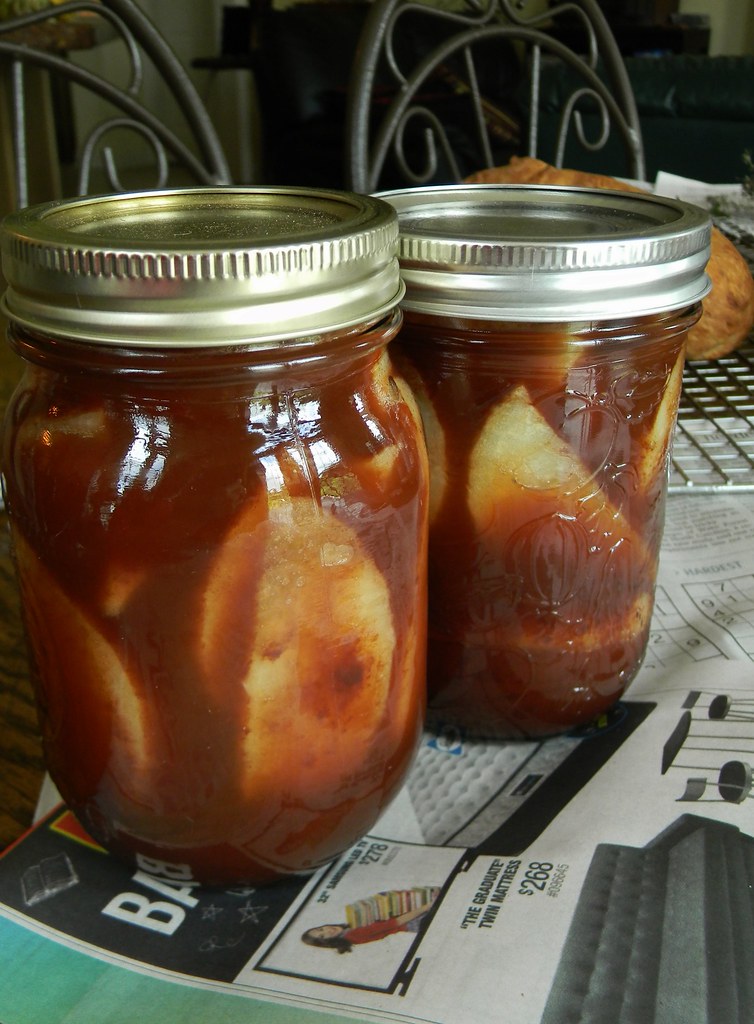
Hélène's Beautiful Pears
Poires Belle Hélène (p. 82)
I have to admit that of the recipes I’ve made so far from Preservation Society, the Peach Jam with Bourbon and Honey (p. 25) and Dill Pickles (p.106) stole my heart and won over the family – we’re a household of peach lovers, and when they’re in season we do everything we can to gorge on the fruit. The jam was the perfect use for farmer’s market “seconds”, and tastes like that August morning at the farmstand. The pickles get a nice kick from chili peppers, and I liked the unusual addition of the dill root as well. I’m not sure what it adds to the pickles per se, but I do know the jar disappeared in short order! I also canned some of the Poires Belle Hélène for Christmas gifts, after their “quality assurance” taste test checked out with everyone who came into contact with the first jar. Other than remembering to shake the jar before serving – the cocoa settles at the bottom – it’s a no-fuss, no muss elegant finale to a meal when topped with ice cream or crumbled gingersnaps.

Preserving the glorious flavours of local, seasonal and fresh produce is not only simple, but easily varied and adapted to the tastes and needs of the canner. The flavours in Camilla Wynne’s Preservation Society Home Preserves: 100 Modern Recipes are as rockstar-worthy as her past career, with all the creativity of an artist but possessing the attention to detail not unlike a chef. Why not give your toast the treatment it deserves every morning?

Available on Amazon

Thursday, June 4, 2015

Bob's Red Mill Everyday Gluten-Free Cookbook: 281 Delicious Whole-Grain Recipes

Bob's Red Mill Everyday Gluten-Free Cookbook: 281 Delicious Whole-Grain Recipes
Publisher:  (2015)

Muffins. Cookies. Waffles. Burgers. All fundamental parts of day to day Western eating, and all packed chock full of the latest nutritional “baddie” – gluten. While the protein, found  in wheat, barley, spelt, rye, Kamut and triticale, is no danger to most people, for the 1% of the worldwide population living with celiac disease that pesky little molecule becomes a big, life-altering problem. Thankfully, the increased (if misguided) popularity of gluten free diets has opened up a whole world of whole grain flavour and nutrition, and companies like Bob’s Red Mill are doing their part to bring naturally gluten-free grains and pseudograins safely to the table. Their latest endeavour is a cookbook full of healthy, hearty fare, all written by Camilla V. Saulsbury of the blog Power Hungry: Bob's Red Mill Everyday Gluten-Free Cookbook: 281 Delicious Whole-Grain Recipes.

Everyday Gluten-Free focuses on giving readers the opportunity to enjoy great-tasting, satisfying and nutritious meals and snacks without relying on overprocessed stand-ins for bread and pasta. Noodles, in fact, are completely absent from the pages of Everyday Gluten-Free, and with the exception of two burgers, store-bought bread products are eschewed as well. Saulsbury relies instead on the array of gluten-free whole grains and whole grain flours Bob’s Red Mill offers to create treats like Olive Oil Cake with Cherries and Dark Chocolate Chunks (p. 304), Mushroom Quiche with Teff Crust (p. 202) and even French Crepes (p. 56). Most of these, especially the ones involving baked goods or batters, use Bob’s Red Mill’s signature packaged  “all purpose flour” blend – however, a quick websearch will point you to any number of satisfactory flour combinations you can make at home and keep in stock (personally, I recommend these two).  

Something I particularly like about Everyday Gluten-Free is that the recipes are not only celiac-friendly but generally nutritious as well. While I wouldn’t suggest cooking a brand new recipe from the book in the middle of a hectic weeknight – learning some of the more unusual ingredients, methods and spices is a task more suitable for a lazy weekend – once you find a few favourites  dinner can be just as fast as “regular” meals. An extra bonus is that the book’s recipes tend to contain more fibre and whole foods than the Standard American Diet, so you can have your meal and eat it too! This book is not a vegetarian tome, but there is a sizeable chapter of Meatless Main Dishes (p. 179) is included and many other chapters feature a majority of vegetarian items as well. I even had success with converting a few baking recipes in Everyday Gluten-Free to vegan or eggless goodies, making the goods safe for the other food allergies in my taste-tester group.

Like most other books published by Robert Rose, Everyday Gluten-Free has limited photography. The photos that are present in the book are curated into four “blocks”, which are worth a perusal on their own. While not every recipe is photographed, Colin Erricson manages to cram enough mouth-watering images into such a restricted space that it tempts the reader into trying the others as well. After spotting the Chorizo, Kale and Teff Soup (p. 118) mug (bowl?) shot, I was inspired to cook up a few batches of soup myself. 

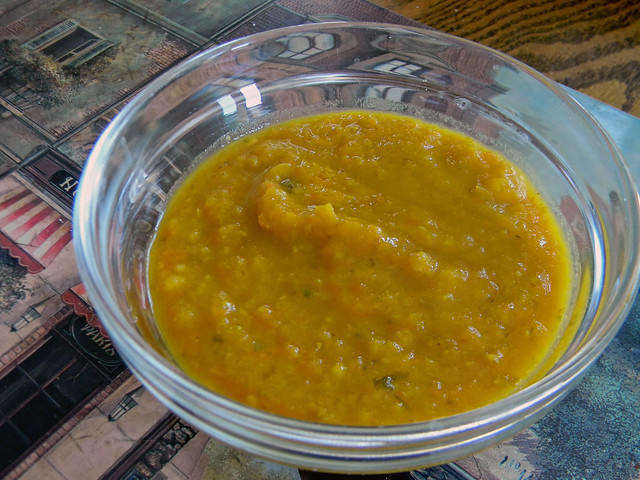
Bob's Red Mill Split Pea Soup
Split Pea Soup with Chia Chutney (p. 103)

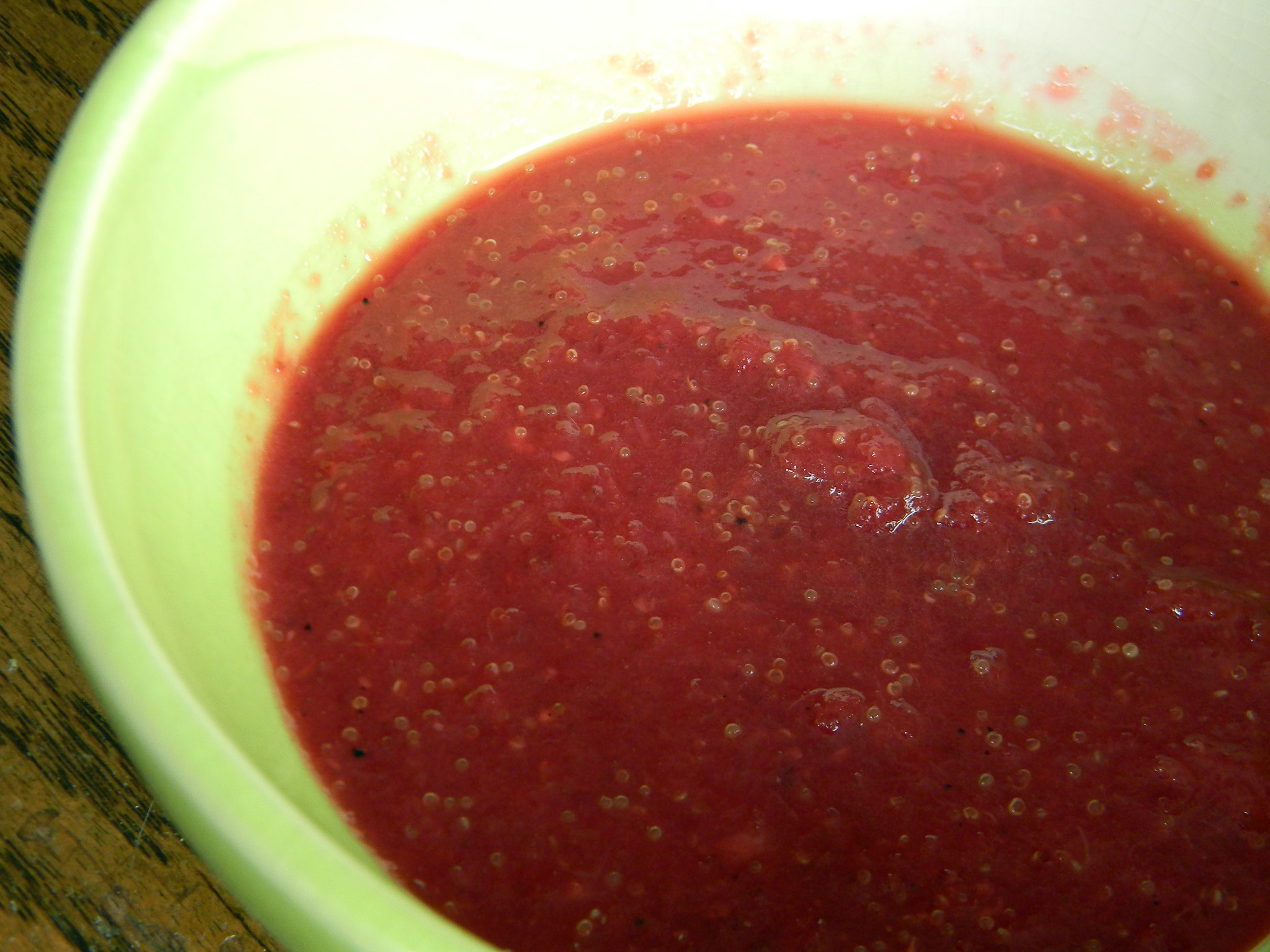
I was pleasantly surprised by the flavour and texture of Saulsbury’s take on Split Pea Soup with Chia Chutney (p. 103) – split pea soup is a favourite around here and the zippy elements of lime, ginger and cilantro elevated it to another plane. Since transport and easy enjoyment of these soups was the name of the game for us (who took Thermoses to work), I swirled the elements of the Chia Chutney into the whole pot at the end, adding an extra layer of oomph in every spoonful. I also used some pre-roasted and frozen beets from last year’s garden to whip up the Amaranth Beet Soup (p. 83) with some flair of my own – blood orange juice and shawarma spices. While these recipes were delicious, what was strongly lacking in both was salt. Most of the recipes in Everyday Gluten-Free lack this ingredient, which is a disservice to the flavour potential the whole grains, legumes and produce offer. I’m not asking for heaps of sodium chloride, but a hefty pinch of Kosher salt really turned the soups I made from vegetable water into a hearty, flavourful meal. The other issue I found with the savoury dishes, at least, was with the stated yields – the soup recipes created 10-12 respectable main course servings, rather than the 6 Saulsbury documents. Luckily, we are a family who enjoys leftovers, but if your household is more into one-shot cooking, keep the scaling of recipes in mind!

Beet and Amaranth Soup
Amaranth Beet Soup (my version)(p. 83)

Everyday Gluten-Free is somewhat more than a run-of-the-mill cookbook, even a gluten free one. The introduction is a hefty 32 page exploration of gluten-free grains, including their history, flavour, cooking techniques and nutrition, as well as a section on fleshing out the pantry with staple goods and even measuring ingredients properly. For those who already follow a gluten-free diet due to celiac or gluten intolerance, this read is mostly review. However, for those just jumping on the gluten free trend or  who simply want to cook with more whole grains, it is a fabulous beginner’s resource. What I particularly liked was that the author gave a few different methods of cooking the grains, and included important ingredients for any healthy pantry such as legumes, nuts and seeds.

There are so many tempting treats in Bob's Red Mill Everyday Gluten-Free Cookbook: 281 Delicious Whole-Grain Recipes that it is hard to pick a single favourite. Moreso, this book is a fantastic point of inspiration and basic methodology for readers to develop their own spins on old favourites. Who knows, the language of delicious, nutritious whole foods may just become your (gluten free) bread and butter!