Showing posts with label Judith Finlayson. Show all posts

Friday, December 23, 2016

The Chile Pepper Bible: From Sweet to Fiery and Everything in Between

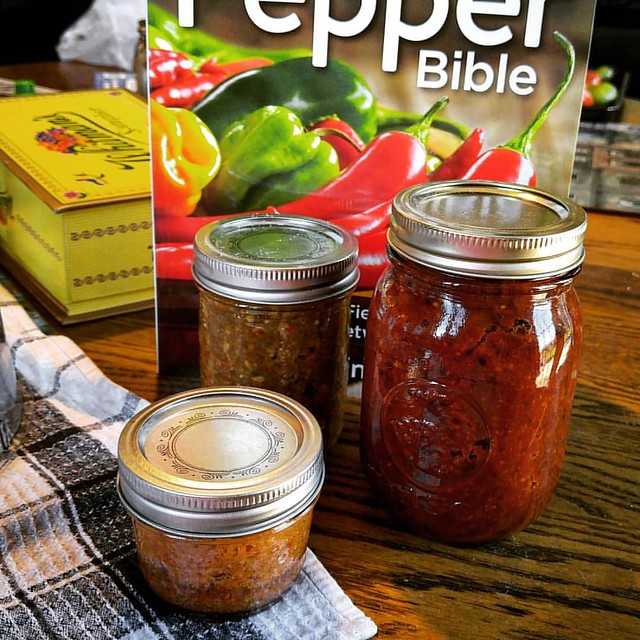
A trio of fire 🔥🔥🔥 inspired by the Chile Pepper Bible- clockwise from the right:  Dakkous (Arabian Style Tomato Sauce), Chili Dipping Sauce for Potstickers and Harissa. #vegetarian #vegetables #tomatoes🍅 #spicy #food #cooking #cookbo
Counter-clockwise, from back: Harissa, Potsticker Sauce (not from the book) and Dakkous

The Chile Pepper Bible: From Sweet to Fiery and Everything in Between
Author: Judith Finlayson
Publisher: (2016)

Hot, sweet or in between – however you slice, dice, roast or pickle them, peppers are one of the most personality-packed vegetables (fruits?) out there. Whether you prefer the sweet crunch of mild, raw bell peppers in a salad or the flame of habanero hot sauce in your rice, there is at least one variety out there for everyone. I’ve been a chile-head for years, but only ever relied on prepared hot sauces or pickled peppers for my fire – aside from chili, what do you do with the spicy and moderate peppers out there? Well, author and food researcher Judith Finlayson sets out to enlighten us cooks in her book The Chile Pepper Bible.
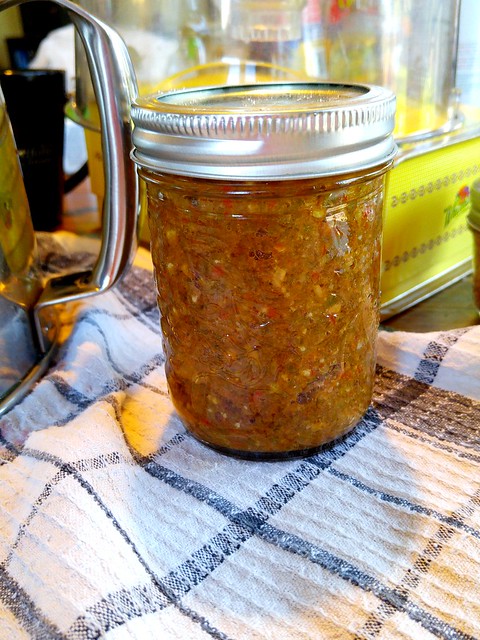
Harissa made with a load of habanero and jalapeno peppers, homegrown tomatoes and Ontario garlic.
Harissa

Chile Pepper Bible is true to it’s name – this rather comprehensive encyclopedia / cookbook in one details information on dozens of chiles – hot and sweet – from their histories and growing regions to their Scoville units and health benefits. Once you’ve read up on the “whys” of the pepper world, the author opens the back end of the book up with 250 recipes that span the globe, from Chinese and Thai to Balkan, Indian and Mexican. The recipes include everything from appetizers to desserts, and include both meat and vegetarian main dishes as well as a wealth of sauces to use immediately or store for when the occasion demands. 
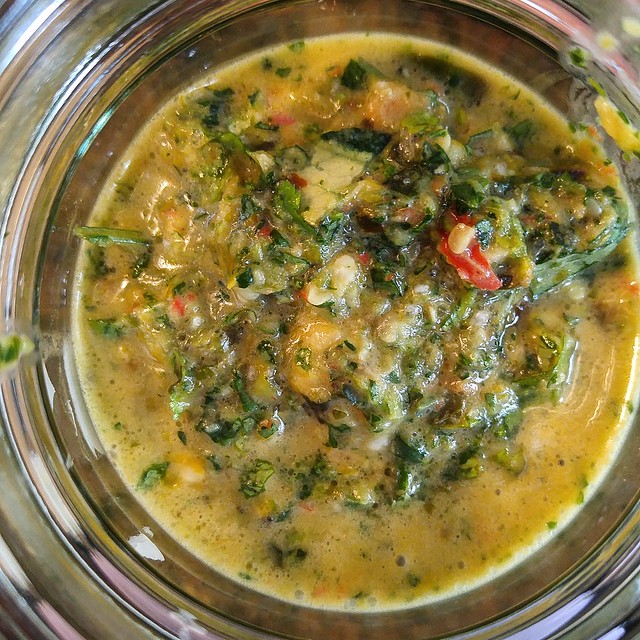
Piri piri sauce
Piri Piri Sauce

I couldn’t wait to get started – and with four hot pepper plants producing en masse in my garden (not to mention another 12 hot and sweet seedlings in my mom’s), I was spoiled for choice. My first creation from the book was Dakkous (p. 382), an Arabian-inspired tomato sauce flavoured not only with a hint of spicy peppers but the heady aroma of cinnamon. The combination was unexpected but no less delicious, and I not only used it for mixing into long grain rice but as a dipper for warmed pocketless pitas. I can only imagine how good it would be as a simmering sauce for chicken too. Nam Prik Num (p. 364), a Thai sauce with roasted peppers, came next – warning, if you’re cooking the peppers indoors, use good ventilation! Watering eyes aside, the spicy, chunky sauce was well worth it, and paired beautifully with roasted fish. I also had to try Finlayson’s version of one of my favourites – Harissa (p.390). This one, unfortunately, fell short of what I was hoping for (which was a recreation of one a friend brought me from Morocco), missing the rich, slightly sweet tomato notes, pop of sour from sumac (or lemon) and spicy garlic kick I knew. That said, when added to a tomato-based recipe (I used it in roasted tomato and potato soup), the flavours fleshed out somewhat and it wasn’t as obvious. I’d be interested to see how it fared in hummus too. Piri Piri Sauce (p. 314) also fared so-so on its own, but drove a ton of flavour into plain chicken breast when used as a marinade.
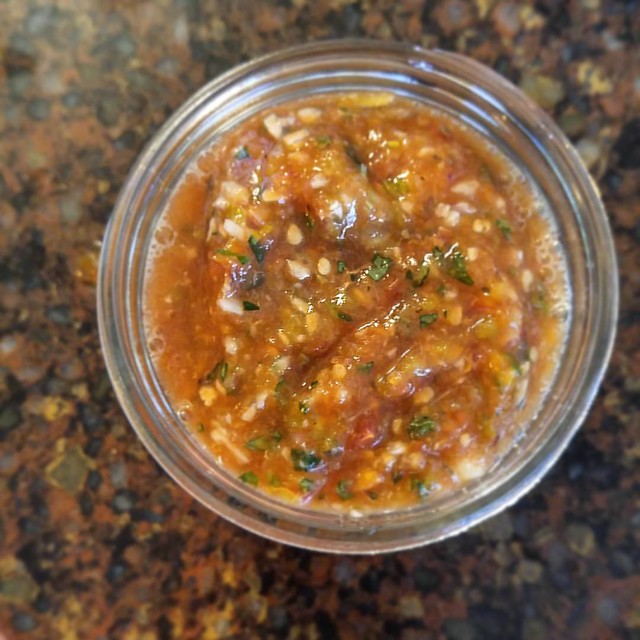
Nam Prik Num (Thai grilled chile salsa) made from the Chile Pepper Bible #yum #spicy #vegetarian #vegetables #tomatoes🍅 #homegrown #vegan
Nam Prik Num

Not relegated to face-on-fire Scotch bonnets or scorpion chiles, the world of peppers is vast, varied and full of flavours from around the globe. Judith Finlayson has done a wonderful job of opening the door for culinary adventurers in The Chile Pepper Bible, and I encourage you to step through and savour what she has to offer.

Available on Amazon
Wednesday, September 21, 2016

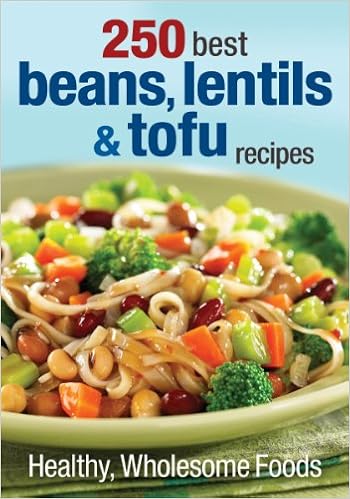
250 Best Beans, Lentils & Tofu Recipes

250 Best Beans, Lentils & Tofu Recipes
Publisher: (2012)

Beans, lentils and tofu…for most people, seeing these in someone’s grocery cart is a signal that they are a card-carrying vegetarian. After all, why would anyone who ate meat need to pick up these alternative proteins? Well, in 2016, the reasons can be much more than ethical in nature. Economics and health concerns are pushing more and more people away from meat-centric meals, forcing them to confront the previously outré ingredients seen only in Asian restaurants or chili pots. What was missing was a comprehensive guide to making legumes worthy of a dinnertime staple. Judith Finlayson’s book 250 Best Beans, Lentils & Tofu Recipes is designed to fill that niche, with meals for all occasions both with and without meat.

Beans, Lentils & Tofu is a library’s worth of inspiration, and whether you’re a bona fide vegetarian or just want to reduce the meat you eat you’ll find something to tempt your palate. Most of the main dishes are hearty enough to satisfy even the most ravenous eaters and generally store and/or freeze well, making eating “on the cheap” even easier. I was pleased to see some of my favourite veggie staples – notably Harira (p. 64) and Caribbean Chickpea Curry with Potatoes (p. 161) – as well as some tempting ideas for the family like Cheater’s Cassoulet (p. 194) and Roasted Vegetable Lasagna (p. 230).  For the baked bean addicts out there, Finlayson has included no fewer than six variations – five of them containing meat, which was a bit of a disappointment. While I understand the desire to appeal to the greatest audience possible, there are so many hearty, delicious and nutritious meals that can be made completely vegetarian. By giving the book a title such as 250 Best Beans, Lentils & Tofu Recipes, I expected the author to place more emphasis on those ingredients for main courses and less of the “well, let’s toss in some lentils to fit the book” approach. Also missing are any legume based desserts – of which there are many, and I expected to see at least a black bean brownie or tofu cheesecake in the pages. However, the meatless recipes that are mentioned sound delicious – and while photos are fairly scarce in the book, if they taste as good as they look readers will be well fed and loving it.

For those new to a life of legumes and who still want to include meat in their diet, 250 Best Beans, Lentils & Tofu Recipes by Judith Finlayson is a great place to start. While it’s not a book for the die-hard vegetarian or vegan, for the flexitarian or omnivore each page holds a delightful option for that day’s nosh.


From the publisher:

A collection of delicious recipes that offers not only good health but great food.
Everyone knows that beans, lentils and tofu are good for you, but did you know that you can enjoy tantalizing gourmet food using these very ingredients? You absolutely can, and this enticing collection of recipes compiled by bestselling author and editor Judith Finlayson proves it.

These varied and internationally influenced recipes will give you a whole new perspectiveon the humble legume. Bean recipes range from elegantly continental dishes to authentic meals that take you back to the days of the Wild West. You’ll discover appetizing expressions with lentils, which are a staple of Middle Eastern and Indian cooking. And tofu? Sure, it’s not much on its own, but paired with other ingredients, it becomes something magical.

In a single collection, you can enjoy 250 of the best recipes created by the bestselling authors of Robert Rose, along with nutrition information, preparation tips and serving suggestions. These recipes will appeal not only to vegetarians and vegans, but also to the ever-growing number of people who simply wish to eat less animal protein in favor of healthy alternatives. You’ll no longer have to prepare several different meals for one family — everyone, regardless of their leanings, will enjoy this incredibly satisfying food.

Monday, May 13, 2013

The Complete Gluten-Free Whole Grains Cookbook: 125 Delicious Recipes from Amaranth to Quinoa to Wild Rice

The Complete Gluten-Free Whole Grains Cookbook: 125 Delicious Recipes from Amaranth to Quinoa to Wild Rice 
Author: Judith Finlayson 
Publisher: Robert Rose Inc. (2013) 

I’m a huge fan of whole grains, be they in breads, cookies or pilafs. These days though, there seems to be a war on the most common cereals in the western world, thanks to the fact that many of them – wheat, barley and rye – all contain the protein gluten. For celiacs, this is a serious issue, but whether you’re unable to digest gluten or are just trying to reduce it in your diet, your carbohydrate choices used to be rice or corn, and pre-made products fitting the restriction were nothing short of awful (not to mention full of refined grains). Now, times are changing to embrace a more flavourful, healthier form of gluten free living, and established author Judith Finlayson is throwing her hat into the recipe ring with her new book The Complete Gluten-Free Whole Grains Cookbook: 125 Delicious Recipes from Amaranth to Quinoa to Wild Rice.

Finlayson delves into the varied world of grains as a whole in Gluten-Free Whole Grains, incorporating various forms of amaranth, corn, millet, quinoa, teff, buckwheat, Job’s tears, wild rice and sorghum in addition to the standard white and brown rices. The author thoughtfully includes both a primer as well as an in-depth exploration of the gluten free grains – including nutritional values, cooking methods and storage. Some of these grains (Job’s tears, sorghum, teff) I have not found readily in “whole” form (they are available, for a price, in online shops), so if you are not reliant on a gluten-free lifestyle for medical reasons I suggest skipping those recipes or substituting another grain. Recipes are divided between Bread and Breakfasts, Appetizers, Soups, Salads, Poultry, Fish and Seafood, Meat, Meatless Mains, Sides, Sundries and Basics and Desserts, although I feel that many of the recipes overlap enough that fewer categories are really needed (i.e. Appetizers, Soups, and Salads as simply “appetizers”, Poultry and Meat as “meat”). I appreciate the inclusions of vegetarian and fish-based meals as well, although more of those would be welcome as well given the delicate digestive systems of many celiac patients as they are easier to digest. In the back of the book readers will find information on the recipes’ food values for diabetes according to both the American and Canadian Diabetes Associations.

Gluten Free Cranberry - Citrus Muffins
Cranberry-Orange Pecan Muffins (p. 36)
One of the problems with many whole grain recipes (gluten free or not) is the sheer amount of time they take to put together. However, recipes in Gluten-Free Whole Grains like Peppery Shrimp with Quinoa (p. 126) and Moroccan-style Chicken Stew with Chickpeas and Rice (p. 114) can be ready in a half hour, and many recipes rely on pre-cooked grains that you can make on the weekend and store in the fridge or freezer until needed. I fell in love with the Soba Noodles with Broccoli Sauce (p. 158), which made a filling dinner when I added pressed tofu to the sauce’s sauté. I was also looking forward to eating the Mushroom Ragoût (p. 166) (made with millet as I couldn’t find Job’s tears), but neither I nor my family could get past the Chinese 5-spice – even though there is only ½ tsp in the batch. I’d probably add cumin and Szechuan peppercorns if I was to make it again for a more distinctly Asian flair. The Kasha and Beet Salad with Celery and Feta (p. 92) is a bookmark of my beet-loving mom and mine, although the unusual taste of the buckwheat with feta and Dijon may be too strong for some.

On the baking end of things – often the trickiest component of a gluten-free lifestyle – I couldn’t have been happier with the Cranberry-Orange Pecan Muffins (p. 36), which were a hit both as written (served to the family) and at school (made with honey-roasted sunflower seeds in place of nuts and a ground flax egg replacer). I’m looking forward to berry season here too, so I can try my hand at the Wine Soaked Cornmeal Cake with Balsamic Berries (p. 202) – the combination of nuts, coconut, citrus and wine promises to be a delicious base for the macerated fruit.

A gluten free diet does not mean a sentence of sawdust-y bread, boiled rice and protein. Delicious, wholesome meals, snacks and treats can be simply made, for much less money and far more nutrition potential than premade fare. Recipes in The Complete Gluten-Free Whole Grains Cookbook: 125 Delicious Recipes from Amaranth to Quinoa to Wild Rice by Judith Finlayson provide a solid base for learning the ropes of gluten free grains, are varied enough to keep palates interested and are easily adaptable to almost any palate.