Showing posts with label Ryland Peters and Small. Show all posts

Thursday, February 26, 2015

The Vegan Pantry: More Than 60 Delicious Recipes for Modern Vegan Food

The Vegan Pantry: More Than 60 Delicious Recipes for Modern Vegan Food
Author: Dunja Gulin
Publisher: Ryland Peters & Small (2014)


My family, like so many these days, is a mixed bag of backgrounds, traditions, habits and – not the least – diets. The “man of the house” (who is the only man in the house!) is a true omnivore. He loves almost every fruit or vegetable out there, but is hard pressed to call a plate of animal-free food a “meal” no matter how hearty it is. My (not so) little sister would happily live off pancakes and pasta every day, but for my mom and I vegetable-based main dishes are the rule rather than the exception. Neither of us are “true” vegetarians (we both eat fish, and she eats meat in small amounts), but we are not opposed to vegan food as the bulk of our dining routine. Part nutritional, part economical and part sustainable, a totally vegan diet can also be completely delicious, varied and manage to fill any craving you might have. Dunja Gulin, author of The Vegan Baker, sets out to prove this very fact in her cookbook The Vegan Pantry: More Than 60 Delicious Recipes for Modern Vegan Food.

Without manifesto, pomp or harassment as to the “evils” of a meat-inclusive diet, Vegan Pantry is precisely the same style as any other cookbook in terms of it’s organization and language. Shying away from overly processed meat and cheese analogues, Gulin shows how vegetables, whole grains and legumes can form delicious and filling frameworks for a variety of meals – including comfort fare such as Lentil Moussaka (p. 61), elegant Polenta Tarte Flambee (p. 65) and even a hearty Goulash (p. 53). Many of the recipes in this book are gluten-free as well, giving this book an added bonus for people cooking for mixed company. It’s hard to believe that any of the dishes are missing anything – and truly, they aren’t, since the choice to live any sort of dietary lifestyle is one that should be filled with enjoyment, not focused on sacrifice.

Of course, healthy (or “alternative”) food doesn’t always look too gourmet – but William Reavell does the recipes in Vegan Pantry justice with his stunning, full-colour photographs. Even tofu-phobics will crave a colourful Tofu Scramble (p. 35) or Curry (p. 49), and the Vegan Caesar Salad (p. 93) looks decadent enough to make anyone crave a bowl of greens. I can’t promise that every dish that came out of my kitchen while cooking through this book looked as spectacular, but then again, the taste had me coming back for more!

He major stumbling block that most would-be vegan cooks face is the sheer amount of time that most whole-food preparations take. Vegan Pantry is not immune to this, unfortunately, as many of Gulin’s recipes require advance soaking, grinding, chopping or even secondary recipe preparations before a relatively brief “final assembly”. While I would never discount the book entirely based on that detail alone, some simpler and more approachable items would benefit busy households or working parents who are considering this lifestyle.

I thoroughly enjoyed making and tasting a host of things from Vegan Pantry, including the Pure Energy Bars (p. 39) and the Strong Flavoured Tomato Sauce (p. 99). The Gooey Chocolate Cookies (p. 127) are on my must-make list as well without question, since even with the time constraints they look decadent enough to eat off the page. The success of everything I’ve made so far also gives me confidence that more complex projects will turn out equally well. One of the major “pluses” of Gulin’s recipes is that most of them make fantastic leftovers (or freezer meals) as well. He filling in the Soft-Shell Veggie Tacos (p. 62) lasts a week in the fridge and is divine mixed with rice or pasta, as well as being reheated in its original “taco” form. The deserts themselves last in the fridge or freezer too, and if they aren’t gobbled up the second they’re served, a serving makes a fabulous snack or weeknight treat.

Whether you’re a long-term plant based foodie, or simply trying out a few meat-free menus during the week, you’re sure to find something to tempt you in Dunja Gulin’s The Vegan Pantry: More Than 60 Delicious Recipes for Modern Vegan Food. From breakfast to dessert, delicious, nutritious and relatively simple meals are just a page-turn away.
Tuesday, November 18, 2014

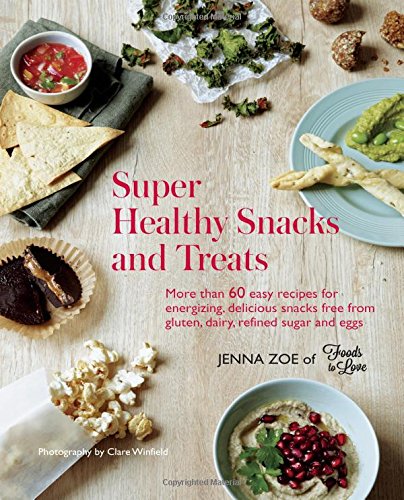
Super Healthy Snacks and Treats

Super Healthy Snacks and Treats: More Than 60 Easy Recipes for Energizing, Delicious Snacks Free From Gluten, Dairy, Refined Sugar and Eggs
Author: Jenna Zoe
Publisher:  Ryland Peters & Small (September 2013)

Ah, snacktime. The backbone of most childrens’ (and preschool teachers’) days, filled with lunchbox treats coveted by young and old alike. Who hasn’t hoped for a treat to fill a break in the morning rush or afternoon doldrums, or packed along a little extra “something” for that long ride to the cottage? Unfortunately, the delicacies commonly available to this generation of children and young families (as with every generation before) are far from being fuel to nourish the body and mind after taxing activity. Granola bars, nacho chips and candy-like “fruit snacks” are easy to buy, pack and grab whenever a passing craving strikes – but with that ease and convenience comes empty calories, saturated fats and grotesque amounts of sodium and refined sugar. However, healthier options are relatively simple to create and enjoy with a little time and effort, thanks to authors like Jenna Zoe and her book: Super Healthy Snacks and Treats: More Than 60 Easy Recipes for Energizing, Delicious Snacks Free From Gluten, Dairy, Refined Sugar and Eggs.

Super Healthy has over 60 recipes covering both sweet and savoury noshing. Breakfasts, Party Snacks, Dips and Dippers and even Cookies and Bakes get a healthier twist in Zoe’s hands. The book’s recipes are free of at least one (and often far more) of the following: gluten, dairy, refined sugar and eggs. This is no small feat, especially when things like (double) Chocolate Chip Cookies (p. 118) and Chocolate-Covered Caramels (p. 107) are concerned. Zoe doesn’t swap out ingredients willy-nilly, though – the introduction to the book has a short essay regarding common food intolerances and dietary excesses that are addressed in Super Healthy’s recipe section. While some of the language is a bit extremist and definitely closer to a holistic guru’s mantra than a scientific journal, the majority of her points remain valid concerns today. It is also worth noting that Zoe is the founder of Foods To Love, an online health food shop selling products free from wheat, gluten, sugar, dairy and eggs – so her push towards certain ingredients is not necessarily free of economic gain.

Even without their “health haloes”, the recipes in Super Healthy look so delicious it would be hard to resist a taste! Clare Winfield fills the pages with stunning full-colour photography which causes dishes to leap off the page. A rather “brown” sounding recipe for granola was transformed into the Power Protein Granola (p. 23) I couldn’t wait to make.

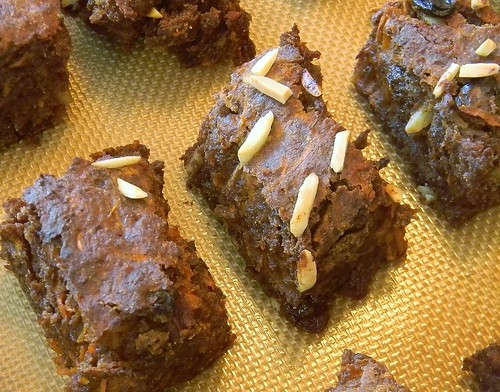
Sticky Carrot Squares
Sticky Carrot Bites (p. 130)

The granola, like the other recipes I tried in Super Healthy, was as delicious as the pictures had me believe. The nuttiness of the buckwheat and quinoa was perfectly balanced by the spices and maple syrup, and while I swapped out roasted chickpeas for the nuts the end result was nothing short of delicious. On the sweet side, a box of the aforementioned Chocolate Covered Caramels (made with tahini instead of peanut butter due to allergies) was warmly received by the few friends I gave it to, and the one-bite size I made them expanded the yield to triple what was stated in the book. For a throng of gluten free, vegan or otherwise food-restricted friends, a pan of Sticky Carrot Bites (p. 130) hit the spot – the slightly spicy, rich and dense bars were definitely the “brownies” advertised in the recipe’s preamble. The only change I made was to use slivered almonds instead of walnuts, both due to taste preference and due to the fact that almond milk is the liquid called for. My personal favourite had to be the Creole Cauliflower (p. 77), which fed into my desire for spicy food with a “munchable” texture.

Tahini Date Caramels
Chocolate-Covered Caramels (p. 107)

The array of ingredients and (occasionally) food preparation techniques will throw off some cooks looking for an easy, “grocery store” fix. Certain items are on the pricier side, or are rare in non-urban centres, but when you take into account the money and time potentially saved by avoiding illness and purchasing “junk food”, the end result is essentially a wash.

For anyone looking to fill a craving with better-than-normal options, Jenna Zoe’s book Super Healthy Snacks and Treats: More Than 60 Easy Recipes for Energizing, Delicious Snacks Free From Gluten, Dairy, Refined Sugar and Eggs is definitely worth looking at. With nutritious recipes suitable for all ages to enjoy, a healthier future can be more delicious than any box or bag on the shelf.

Available on Amazon

Thursday, December 26, 2013

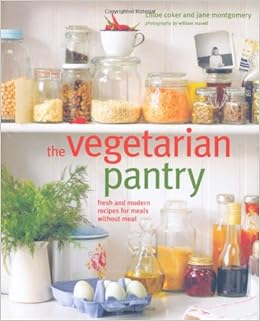
The Vegetarian Pantry: Fresh and Modern Recipes for Meals Without Meat

The Vegetarian Pantry: Fresh and Modern Recipes for Meals Without Meat
Authors: Chloe Coker and Jane Montgomery
Publisher: Ryland, Peters and Small (2013)

When it comes to homemade meals, a well-stocked pantry and a bunch of go-to recipes are essential. Nobody wants to have to run out to the store for a missing ingredient, especially when it comes to cooking for guests. When you eat a vegetarian diet, cooking for mixed company often brings a level of concern and “in-jest” (but still occasionally hurtful) jibes about the lifestyle. How can your meals possibly be tasty and filling? You must be anemic without having meat on your plate. Your muscles will waste away – you need more protein! On the other hand, if you have a meat eating family and are expecting vegetarians at a dinner party, what to cook can be equally stressful and overly puzzling – without meat at the centre of the table, what is possibly left? Chloe Coker and Jane Montgomery create stunning, healthy, hearty and delicious answers to these dilemmas in their book The Vegetarian Pantry: Fresh and Modern Recipes for Meals Without Meat.

Vegetarian Pantry covers every meal of the day – from Breakfast (p. 12) to Sweet Treats (p.118). The authors also include small sections for Small Bites (p. 28) and Dips, Salsas and Sauces (p. 50), which are indispensible for parties and light lunches. The book also offers a “quick-n-dirty” primer on a healthy vegetarian diet and a list of “good-to haves” in the kitchen for making delicious meals. The Well-Stocked Vegetarian Pantry (p. 10) also includes some handy tips for storing your ingredients, which is worth a read for any cook. No resource page is provided, but since most of the recipes call for easy-to-find ingredients this isn’t much of an issue. As if the names of recipes like Individual Baked Cheesecakes with Salted Honey Walnuts (p. 115) weren’t enough to send you racing to the kitchen, William Reavell lends his talent to Vegetarian Pantry, creating stunning, full colour photos of the dishes.

One of the refreshing things about Vegetarian Pantry is that it isn’t a health-guru bible. While the majority of recipes are generally nutritious, sugar, cheese, fat and – gasp! – deep frying also pepper the pages. By including indulgences like this, the authors bring a more approachable feel to the diet for non-vegetarians, while reminding them that the lifestyle is not all beans, lettuce and tofu. The Breadcrumbed Halloumi Goujons (p. 44) is a fantastic example of excess, and I wouldn’t be opposed to sitting down for French Toast Stuffed with Bananas (p. 25) on a Sunday morning.

Banana-Apricot Muffins
Honey and Apricot Breakfast Muffins (p. 26)
I tried a few recipes from the pages of Vegetarian Pantry, and had mixed results. My first project, Honey and Apricot Breakfast Muffins (p. 26) was missing a touch of salt, and the bake time of 30-40 minutes would have led to dense pucks of charcoal in muffin wrappers had I let them get that far (I wound up pulling them out at 20 minutes, and even then they were a bit too “done”). The taste was okay, but the dense texture and incorrect directions crossed off a remake for this reader. The Spicy Tomato Ketchup (p. 64) and the Sweet Chili Jam (p. 66) fared much better in my kitchen, and while I kept a few jars for myself (delicious!), I also canned a batch of each for holiday gifting. I’m led to believe that the authors are definitely more attuned to savoury cooking than baking, which most readers will find more useful anyways given most baked items are vegetarian by default.

Vegetarian cooking doesn’t have to be boring, flavourless or a complicated chore. There are so many options available that everyone can enjoy a meal together without compromise and come away full and happy. While I’d look elsewhere for desserts, Chloe Coker and Jane Montgomery’s The Vegetarian Pantry: Fresh and Modern Recipes for Meals Without Meat will certainly fill your plate with delicious, meat free fare.

Available on Amazon

Tuesday, September 24, 2013

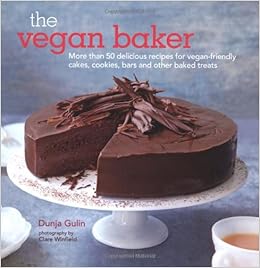
The Vegan Baker: More Than 50 Delicious Recipes for Vegan-friendly Cakes, Cookies, Bars and Other Baked Treats

The Vegan Baker: More Than 50 Delicious Recipes for Vegan-friendly Cakes, Cookies, Bars and Other Baked Treats
Author: Dunja Gulin
Publisher: Ryland Peters & Small (2013)

Everyone loves a treat once in a while. It’s almost impossible to think of an office meeting, open house or even road trip without some sort of edible, and while muffins and cookies aren’t considered “health food” in any sense of the phrase, they can provide a much-needed pick-me-up during the day. However, those who have dietary restrictions are often at a loss when it comes to the conventional sweets table. Most commonly purchased bakery items are laced with eggs, dairy, nuts or one of the other common allergens, and those who follow a specific diet for religious or ethical reasons often avoid prepared foods for this reason as well. One of the most basic ways to eliminate two of the major allergens, as well as any animal product-based restrictions, is by preparing vegan items. While they may be stereotyped as things only palatable for hippies and health gurus, the science and methodology of vegan baking has progressed enough to be more than capable of producing items that are approachable, economical and simply delicious – no segregating identifier of “vegan” required. Dunja Gulin believes delicious baking that just happens to be vegan is accessible to everyone, and avers this passion in her third cookbook: The Vegan Baker: More Than 50 Delicious Recipes for Vegan-friendly Cakes, Cookies, Bars and Other Baked Treats.

Vegan Baker takes not only a dairy- and egg-free approach to baking, but a healthier twist as well. Gulin stresses the use of the best possible ingredients, organic items when possible, and limiting or eliminating refined sugar – resulting in wholesome, not-too-sweet goods that are still most definitely treats. While some people may argue against all these restrictions (or “rules”) for what is supposed to be something decadent and special, Gulin’s reasoning is that the finished goods will taste just as rich and delicious, if not more so, than their conventional counterparts. I don’t necessarily subscribe to the belief that organic food tastes (or is in general) better, but I do know that quality ingredients in any form of cooking or baking make a huge difference. This is not to say you should break the bank on imported chocolate and hand-harvested and ground grains for flour, nor do you need to cook beans and grind nut butters from scratch at home – just have faith that the items you choose to cook with will produce stellar results.

If the passionate introduction and thorough discussion of ingredients doesn’t whet your appetite for the recipes, Clare Winfield’s fantastic, full-colour photos just might. Beautifully styled shots of almost (if not every) recipe fill the pages, and unlike many cookbook pictures provide a relatively authentic representation of the words alongside.

Carob Slice
Yummy Carob Slices (p. 58)
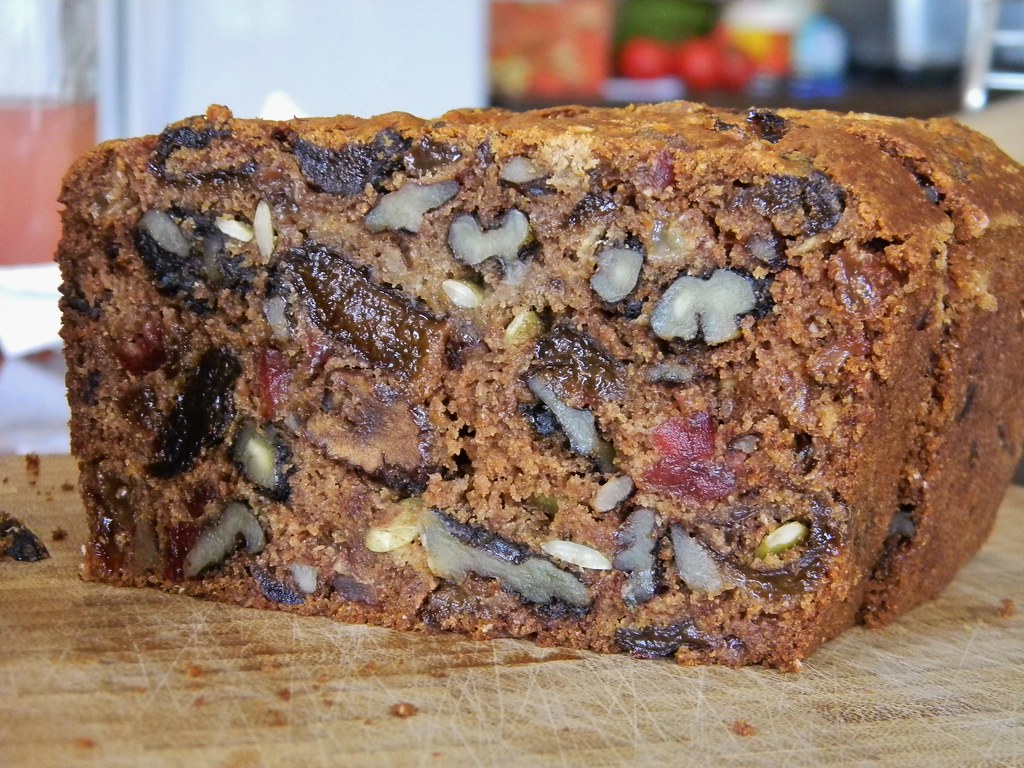
Of the recipes I tried in Vegan Baker, I was consistently amazed. Not because the methods were outlandish or the ingredients were exotic, but because they were anything but – fairly simple, straightforward and quick, with the most outré ingredients being carob and agar powder (which even in my relatively rural neighbourhood were easy to locate at the health food and bulk store). The results weren’t anything other than decadent – not just “good for being vegan” – and while I included a list of ingredients on the packages I put together for some friends of mine (in order to avoid any potential allergies to soy, gluten or nuts), no mention was made of the treats being made without many conventional staple ingredients and no questions ever came up. The Rich Tea Bread (p. 36) was first on my list to try, and I actually made it twice in different forms to use up a bunch of partial bags of nuts and dried fruit in my pantry. Both the original, more “British” combination of Earl Grey, prunes, dates, Craisins, sunflower seeds and walnuts and the “tropical” rendition with mango tea, candied ginger, apricots, macadamia nuts, dates, cranberries, almonds, pumpkin seeds and raisins were moist, dense and flavourful – better than any standard fruitcake I’ve ever made or had before! The sleeper hit for many of my taste-testers was the Yummy Carob Slices (p. 58).  Given that carob is the unfortunate recipient of the “70’s-era hippie food” stereotype, I waited for the unbiased opinion to be leveled before cluing in the group. While it didn’t taste like your standard chocolate cake (and it wasn’t billed as such), it was moist, rich and nothing short of a wonderful dessert.

The only recipe of Gulin’s I questioned was the Coffee Toffee Cookies (p. 89), as there was no real “toffee” or true “coffee” element in the ingredients. I expected a buttery, bittersweet note from the two ingredients, but the cookies only contained coffee extract, not brewed, ground or instant coffee, and contained cocoa powder which seemed out of place. If I was to re-make these, I would use a vegan butter substitute instead of the relatively flavourless coconut oil, add a dash of butterscotch or caramel flavouring, leave out the cocoa and use a spoonful of instant coffee along with the extract.

Tropical Tea Cake
Rich Tea Bread (Tropical Version) (p. 36)

On the whole, Dunja Gulin does the culinary world as a whole a great service with The Vegan Baker: More Than 50 Delicious Recipes for Vegan-friendly Cakes, Cookies, Bars and Other Baked Treats. With sweet, rich tasting treats that have a subtly healthy twist, the book will become a staple on my baking bookshelf and I urge you to take a look yourself.

Available on Amazon

Thursday, August 8, 2013

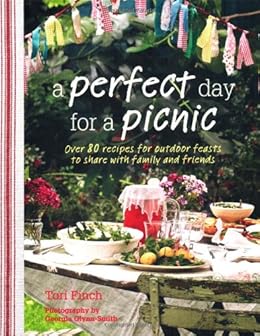
A Perfect Day for a Picnic

A Perfect Day for a Picnic
Author: Tori Finch
Publisher: Ryland Peters & Small (2013)

The Summer is filled with the makings of delicious experiences. The farmers’ markets open, packed with the best, freshest fruit and vegetables the local growers have to offer. The sun and beaches call to cottagers and boaters, while the U-pick farms and home gardens are rife with amateur harvesters filling their baskets with produce. Even the animals feast during the warm months, the pastures filled with sweet clover and tender grasses. With such decadence available in the fresh air, who would want to stay inside to eat? Packing a picnic has never been easier or more flavourful thanks to Tori Finch’s book A Perfect Day for a Picnic.

Picnic takes the concept of eating outdoors and turns it into an event. With 10 different variations, from Bohemian to Luxe (and even one for Teddy Bears!) filled with 80 recipes, it’s almost impossible to become bored! Of course, the pairings of themes and recipes are really just guidelines – if a certain food and a certain style tickle your fancy, go for it! Finch also provides useful information on “setting the scene”, be it using lanterns and exotic fabrics to create a Gypsy-like Bohemian look or spreading out gingham blankets and packing wine glasses for a more Provençal feel. Notes on choosing your overall menu and (more importantly) packing it are also scattered in Picnic’s full-colour pages. Georgia Glynn Smith does a fantastic job of bringing each theme to life through her photos, and the book itself looks like it would be at home on an elegant coffee table.

Unlike most “coffee table literature”, however, Picnic is a book designed to use and enjoy results from. While it has been over a decade since my last picnic experience, many of the recipes begged for me to make them for alfresco dining at home. Unfortunately, the recipes turned out to be a bit of hit and miss – the Spiced Citrus Couscous (p.28) was a hit after we cut the oil in half and nixed the onion garnish, being far too oily and muted as written. The Rainbow Slaw (p. 73) was also delicious, although nowhere near as attractive as in it’s photograph. However, the Courgette & Vintage Cheddar Quiche (p. 106) took 10 minutes longer to set than the recipe stated, and even then it was relatively soft and missing seasoning – thyme or tarragon would have greatly helped to lighten the salty sharpness of the cheese and the rich dairy. Finally, the recipe my sister, mom and I were looking forward to most – Gooey Triple Chocolate Brownies (p. 74) – were so greasy after baking that I wound up blotting it four times with paper towel. In the fridge, they set rock hard and upon tasting them it seemed like all the moisture had baked out, along with any flavour but sweet. Thankfully, microwaving pieces slightly (with a drizzle of dark chocolate sauce) softened them enough to eat, and when chopped up they made decent additions to French Vanilla ice cream and plain Greek yoghurt.

(Not So) Gooey Triple Chocolate Brownies
Gooey Triple Chocolate Brownies (p. 74)

As a gorgeous addition to the bookshelf with lots of ideas for hosting your own moveable feast, A Perfect Day for a Picnic fits the bill perfectly. However, it is weak as a proper cookbook and the recipes should be approached with a pre-existing knowledge of what the food should look like while being prepared, not simply on a lavishly decorated table. With such a Summer-tinged palette of opportunity at our disposal, I wish Tori Finch had packed a little extra flavour in her basket.
Available on Amazon

Thursday, February 28, 2013

All You Knead is Bread

All You Knead is Bread
Author: Jane Mason
Publisher: Ryland Peters & Small (2012)

There are few things that embody the heart and sprit of the creator more than a handmade loaf of bread. Bread is a staple, occurring in some form or another in every country around the world. From inexpensive crusts baked in the ashes of wood burning fires to the extravagant brioches and fruit-studded, alcohol infused holiday breads found in December and at Easter, it is undeniable that mankind relies on it. Well made bread in the home kitchen is certainly attainable, and Jane Mason provides a wealth of information and techniques in her first book, All You Knead is Bread.

Far from focusing on one form or nationality of breads, All You Knead is essentially an encyclopedia and atlas of the art. Mason includes over 50 actual recipes for loaves and rolls, but more than that, she details bread as a historically significant item, a scientific medium and an economic tool. Everything from the ingredients to the processes occurring in a loaf-in-progress can be found in the first 28 pages, including a fully detailed guide to sourdough. Amidst the recipes are peeks into bread baking and eating around the world, from Mexico to Germany, all informative and fascinating in their own rights. Throughout the book, gorgeous photography from a variety of sources (all listed on p. 176) entice the casual browser to stop and peer a little deeper.

Black Rice Bread
Black Rice Bread (p. 75)

Turning to the formulae themselves, readers will find options for “everyday”, “occasional”, “celebration” and “sweet” breads, all handily cross-referenced in a well-organized index. The Everyday Bread chapter (p. 29 – 83) includes everything from the yeastless Soda Bread (p. 33) to the delectably savoury Cheese Rolls (p.82), as well as internationally-themed items like Steamed Buns (p. 71) and Simit (p. 61). Any and all of these are more than enough variety to last the average baker a year or more of enjoyment, but Mason has even more doughy delights in later pages.  Occasional Bread (p. 85 – 119) holds the glorious Brioche (p. 86), buckwheat Blinis (p. 105) and hearty Beer Bread (p. 100). For holidays, Mason includes treats like Hot Cross Buns (p. 122) and Kringel (p.135), and to tempt the readers’ sweet tooth, Cinnamon Buns (p. 167) and Maple Syrup Buns (p. 164).

Bag(uette) End
Baguettes (p. 37)
Luckily for readers, even the most complex of recipes in All You Knead is incredibly approachable. Mason is detailed without becoming verbose, and the photos illustrate critical junctures while managing to avoid cluttering the pages. I definitely appreciated both the photos and the written instructions while making the Baguettes (p. 37), and I credit their clarity for both my batches’ success. Mason’s Black Rice Bread (p. 75) was another huge hit here, turning out “in person” as beautifully as the book’s photos and with a wonderfully tender crumb. Being so soft, my only criticism is that it has no practical application beyond eating plain – it is too difficult to slice thinly for sandwiches and far too soft to stand up to the toaster. However, thick, fresh slices drizzled with runny honey make for a delicious breakfast or mid-afternoon snack, and I’d bet if it was left out to stale for a few days one could turn it into a delectable, exotic coconut milk bread pudding.

This book is a surefire hit for households everywhere, provided there are no low-carbers in the vicinity! It certainly is hard to think of a single person who wouldn’t benefit from a browse through All You Knead is Bread. Whether you are a total novice in the bread baking world or have been crafting loaves for 30 years, there will be something of interest and information to discover and tempt.  

Saturday, September 29, 2012

Home-Grown Harvest

Home-Grown Harvest
Editor: Rebecca Woods
Publisher: Ryland Peters & Small (2011)


Showcasing seasonal food is one of the tastiest and most nutritious ways to eat. The flavours of peak season peaches in a crispy cobbler, a medley of late Summer vegetables in a ratatouille or the bright green pop of tender asparagus and spring peas in a creamy risotto are hard to pass up – and when the produce comes from your own backyard or local farm, the benefits are even greater. Home-Grown Harvest, edited by Rebecca Woods, is a mouthwatering collection of recipes and stunning photography that will be sure to lure even the most skeptical cook into a fresh new world.

Harvest is a unique book in that it is not authored by one particular individual. Rather, it is a compilation of recipes by several cookbook authors such as Ross Dobson, Laura Washburn and Brian Glover. The recipes are organized brilliantly into categories of plant type: Root Vegetables, Bulbs and Stems, Fruiting Vegetables, Podding Vegetables, Greens, Zucchini and Squash, Mushrooms, Tree Fruits, and Soft Fruits. Almost every inclusion in this book is accompanied by stunning, full colour photography; both of the “raw” ingredients and the finished dishes. Offerings range from the more “standard” Caesar Salad (p. 108) to the unique Tenderstem Broccoli, Shiitake & Tofu Omelet (p. 97). All courses are represented in one way or another, from starters such as the classic Tomato, Mozzarella and Basil Salad (p. 73) to decadent desserts like the Frosted Pear, Zucchini & Carrot Cake (p. 146).

Readers of Harvest will be quick to discover that many of the contributing authors are not American in origin. While the measures are given in Imperial units, the phrasing and titles of recipes, as well as their preambles, hint at European heritage. Certain ingredients, too, will be more unfamiliar to American eyes and palates. Tenderstem broccoli, for example, is commonly marketed as broccolini and occasionally (though erroneously) broccoli rabe. Items such as golden syrup and crème fraîche are less popular in US and Canadian markets (though they can be found if you look hard enough), and so many would-be cooks may find themselves researching a substitute.

Leek & Potato Soup (p. 41)
Thankfully, the language style in Harvest does not detract from it’s recipes. Instructions for meals like Triple Tomato & Basil Risotto (p. 69) are clear and concise enough for the most casual home cook to attempt their creation. Conversely, the wording is in no way “dumbed down” or trivializing, and is sophisticated enough that more skilled individuals won’t feel out of place.

Given that my hemisphere is transitioning into Autumn, my family is moving towards heartier, more warming fare like soups and stews made with root vegetables. I opted to use up the last of our local new potatoes in the Leek & Potato Soup (p. 41) by Tonia George, which is one of my mom’s favourite varieties. I made two modifications based on what I had on hand – I added a diced parsnip to the buttery steam-sauté of leeks, onions and potatoes, and for the “milk” (the recipe doesn’t state a specific fat level) I used a 370 mL can of evaporated 2%. The finished soup got a hint of rosemary and chives stirred in, and tasted creamy, smooth and rich without being cloying. It made a fantastic starter for the meal we served to company, and my mom took leftovers for lunch the next few days.

Potato & Coconut Soup with Thai Pesto (p. 16)
I also made a second soup from Harvest, the more exotic Sweet Potato & Coconut Soup with Thai Pesto (p. 16) by Ross Dobson. Since I knew it would likely only be packed for my mom’s lunches during the week, I stirred the modified pesto (I had no fish sauce or basil, so used tamari, chives and mint as well as a hint of shredded coconut) into the puree instead of dolloping it on top. Even without having the Thai curry paste (I used a pinch-hitter of Sriracha, garlic and ginger), this recipe was the epitome of all the things Thai food is known for – a perfect marriage of flavour, texture and heat. While the puree itself, made with local sweet potatoes, red onion and coconut milk, is mild and sweet, akin to a typical Asian pumpkin soup, the pesto utilizes green chile peppers and if eaten alone (especially without prior warning) is a painfully nuclear concoction, albeit delicious pain. Together, though, the sweet and spicy aspects of the recipe, paired with a delicate sourness from the pesto’s lime, meld into a stick-to-your-ribs whole that is neither too sugary not mind-blowingly hot. The benefit of keeping the pesto separate when cooking this for the family is that everyone can then adjust the spice level to their own preference. Most children will leave their bowls unadorned, but those with a passion for heat will be adding tablespoons. I did have to add another can’s worth of water to get the soup to a spoonable consistency and used half and half toasted sesame and coconut oil for the initial sauté. It’s not a recipe for those with a limited pantry or grocery availability, and if you aren’t sure you like Thai (or generally Asian) food, chances are you’ll pass on this one. However, for the fans of the Orient, it’s a delicious way to bring a taste of Asia to the table.

Probably the biggest hit of the book with my taste testers were the Mini Chocolate, Beet & Cherry Cakes (p. 33) by Sarah Randell. I’ve long been a fan of beets and chocolate together, and by adding home-dried sour cherries to the mix I was sure the flavours would be stellar. Even after veganizing it with a slurry of ground flaxseed and hot coffee in place of the eggs, using whole wheat pastry flour and a combination of pureed raspberries and beets for half the oil, the giant muffins I made (in lieu of buying mini loaf pans) were moist, decadent and were snatched up in minutes. None of the tasters believed that there was anything healthy about them, much less that the star ingredient was beets! The bittersweet chocolate in the recipe, along with the cocoa powder, add a touch of “grown up” flair to a dessert commonly associated with the younger crowd, and I’d be hard pressed to find a child who would pass up a taste!

Mini Chocolate, Beet & Cherry Cakes (p. 33)

If you’re passionate about tasting the best of the backyard, or trying something new at the farmer’s market, Home-Grown Harvest is worth taking a look at. No matter what your palate, your season or your family dynamics, something is sure to catch your eye and deliver on it’s promise of full bodied wholesome flavour. It is gorgeous enough to share space on the coffee table, useful enough for the kitchen library, and a wealth of inspiration for entire years to come. 

Friday, June 8, 2012

The Gluten-Free Baker: Delicious Baked Goods for the Gluten Intolerant

The Gluten-Free Baker: Delicious Baked Goods for the Gluten Intolerant
Author: Hannah Miles
Publisher: Ryland Peters & Small (2011)
 
The baking realm is well known for its use of some key elements. Tried-and-true formulae for cakes, bread, cookies and pastry are a delicate balance of flours, sugars, leavening, binders and liquids. But what if one of those critical elements was eliminated from your diet or the diet of a loved one? Would you still be able to make all those beloved treats like what your mom and grandma used to bake without something as crucial as wheat flour? Hannah Miles attempts to answer that question in her book The Gluten-Free Baker: Delicious Baked Goods for the Gluten Intolerant.

Why fuss about missing gluten in a recipe? Gluten is a very important component in baked goods. It helps dough stretch and trap air bubbles from leaveners like yeast and baking powder, allowing goods to rise, it adds a chewy texture to crust and crumb, helps bind ingredients and generally provides the framework for the foods we know on the bake sale table. This protein is found in wheat, barley, rye, triticale, spelt and Kamut grasses, and those that contact them (i.e. contamination). Miles omits a few of these gluten-containing grains in her introduction; however, she does make good points about the high risk of oat contamination due to the shared processing equipment most producers use. Miles also details a lengthy list of possibly contaminated items and gives points on how to avoid a potential problem.

Though not overtly stated, it is clear to readers familiar with gluten intolerance and gluten free cooking that Miles herself does not keep gluten free in her daily life. In fact, a perusal of the jacket flap reveals that she is not even a trained cook, but a practicing attorney. While chef training is certainly not a prerequisite for cookbook authorship, nor does every gluten free tome need to be written by a celiac-stricken foodie, I feel that Miles could have taken a bit more time to research the diet in order to improve its empathetic appeal.

Miles relies heavily on a pre-formulated gluten free flour blend, though the particular type is only once mentioned in the entire 144 page piece (according to page 10, her preferred brand is Bob’s Red Mill). In the lengthy introduction, Miles declares that a gluten free all-purpose flour blend lets one “bake as you would with regular flour and achieve excellent results” (p. 6). The issue in Gluten-Free Baker is that the recipes don’t call for simply an “all purpose blend” (something I have used before) but for a seemingly imaginary “gluten free self raising flour” that Miles admits she has never found for sale (p.10). Why any cookbook author would call consistently for a product they have never used is questionable enough, but when that cookbook is trying to re-instill the love of baking back into the hearts of gluten-freers, it stands to do more harm than good. I’ve also found after many years of specialty baking experience that the “all-purpose” flours Miles likes to suggest are never a bona fide “1:1” replacement for wheat flours. While they can provide a good base ingredient, the addition of other gluten free flours and/or starches is usually required for ideal results. The fiddling that one needs to do with these “all in one” blends, as well as the wide range of formulae they come in, is why I always write recipes with individualized flour mixes for my gluten free nutrition clients and food blog readers.

Due to the fact that Miles hails from England, all the measurements in Gluten-Free Baker’s recipes are given first in (metric) weight, then (imperial) volume. Far from being a drawback, this manner of notation is actually beneficial to the would-be cook – weight is a far more precise and consistent method of measuring, which is important in any baking application but critical in the specialty goods sphere. The directions Miles includes are as a whole clear, concise and easy to follow, even for the potentially difficult recipes like the decadent-looking Walnut and Cinnamon Macarons (p. 24). Each recipe is accompanied by stunning photography by William Reavell, which is enough to draw even the most casual of browsers deep into the pages of this book. I also appreciated the wide variety of offerings in Gluten-Free Baker, especially a few recipes that were so classically European that I can only describe them as “quaint”. However, I was a little confused at the categorization of certain recipes. While all the “typical” baked goods were listed (Cookies, Brownies & Bars, Cakes, Small Bakes, Breads & Yeast Doughs, Pastry), Miles also has a section titled simply “Desserts” that is comprised of a mix of items that fit neatly into one of the other categories. Whether this was intentional or a misstep in the editing process, it is strange to search in two different places for the same type of item.

Unfortunately, the ingredients in Miles’ recipes are another story. While a recipe is titled Flapjack Pecan Brownies (p. 28), the brownies themselves are made with ground hazelnuts. The Coconut and Pumpkin Power Bars (p. 36) are lacking in any squash component. Some of the items (such as chestnut flour, culinary lavender and clotted cream) are fairly difficult for most readers to source (save ordering online, which can be prohibitively expensive). I also noted inconsistencies in ingredients from recipe to recipe in Gluten-Free Baker – one recipe will call for plain Greek yogurt, another for simply “plain yogurt”, even though both ingredients serve the exact same purpose in the final product.


The creation and final outcome of the recipes I tested was disappointing (and frustrating!) as well – and the treats certainly looked nothing like Reavell’s artistic impressions. I attempted the Lemon &  Amaretto Loaf Cakes (p. 81) twice – and neither time did the recipes make close to the full yield Miles suggests. I only managed to get two of the 6 miniature loaves out of the batter ingredients each time, and far from taking a mere “20-25 minutes” they were only just baked through after 50. As my photo shows, they weren’t like the quaint little cakes in the book, and I wouldn’t have tested another recipe as a casual reader after that experience. The same problems with yield and bake time occurred with the other recipe I chose – the Banana & Brazil Nut Loaf Cake (p.63). A scant single loaf, rather than the two high-rising beauties shown in the pages, was what I wound up with each time, and even though I took out the buttermilk addition in the second batch the batter was still incredibly wet until about 75 minutes in the oven. Although it was technically baked through, after cooling and slicing I found the bottom had solidified into a gummy mass and the crumb colour and texture was completely estranged from Gluten-Free Baker’s photo of the dish. The saving grace of both recipes is that the flavour is decent, although as my mother (a spectacular home baker herself and a fairly adventurous foodie) eloquently stated, “they were definitely gluten free”. Sadly, Miles’ book does little to erase the stigma of gluten free products as having poor texture and appearance, and even though they may taste okay, few people would likely venture to take a bite.


Gluten free cooking is not as tricky as many think – it is simply a blend of the right ingredients combined at the right time. The only difference is in what these elements are. Food safe for those who must go without one ingredient or another can still be a treat for the eyes and the palate for everyone at the table, and the more “normal” these items seem, the more “normal” the party needing the special diet will feel. Hannah Miles’ book The Gluten-Free Baker: Delicious Baked Goods for the Gluten Intolerant scores on one front – flavour – but falls flat when it comes to “eating with your eyes” and digs itself deeper with the consistently problematic recipe execution. While it makes a pretty coffee table tome, there are definitely other specialty baking guides out there that I’d turn to first for my next batch of cookies.

Thursday, May 17, 2012

Classic Artisan Baking: Treats for Family and Friends

Classic Artisan Baking: Treats for Family and Friends
Author: Julian Day
Publisher: Ryland, Peters and Small (2012)
It’s hard not to love something that is homemade with love. Be it a child’s first “imaginary soup”, a gift basket filled with homemade jams and pickles, or your mother’s chocolate chip cookies that you can never seem to replicate (even though the recipe is on the back of the chocolate chip bag), the rustic touch is a comforting highlight of the best classical fare. True culinary artisans still cling to the ideal of being “just like Grandma”, but with demand growing and both time and money in ever shrinking supply un-doctored, wholesome food is a rare treat.

Meg Rivers believed wholeheartedly in making baked goods that were simple, without artificial agents and which would be consumed so quickly that adding any preservatives would be unnessecary. She started Meg Rivers’ Cakes, offering wholesome baked goods made from good-quality, seasonal ingredients, a passionate venture which Julian Day took on after Rivers’ passing in 2011. Classic Artisan Baking: Treats for Family and Friends brings the taste and experience of that truly “real” bakery to the home cook, in a beautifully bound and illustrated 140 page work.

Artisan Baking evokes feelings and imagined memories of early summers in an English cottage – in no small part due to the quaint language of the British Day. Though likely not intentional, the North American heartstrings will tug at descriptions of treats as “family cakes”, “biscuits” or “tiffin”. The classical, almost Devil-may-care way that a seasoned Grandma would throw together ingredients for a batch of goodies is also expressed in Artisan Baking – ingredients are often given in “scant” or “heaping” amounts, or measurements are prefaced with “about”. While seasoned cooks will find this no problem (and like me, feel relieved at the freedom such directions allow), those who are more reliant on “exacts” may have an issue. Readers in non-metric countries may be surprised by the recipes’ temperatures given first in Celsius, then Fahrenheit, and finally “gas mark”, while ingredients are given first by weight, then volume. This is not shocking as both the author and bakery are both based in the county of Warwickshire in England, but is handy to realize when first starting out.

Unlike many other current baking books on the market, Artisan Baking spends no time on creating a dictionary of ingredients, techniques and shopping guides. A notation underneath the ISBN and publisher information on the reverse cover page lists just five items for the would-be baker to consider – all so simple and basic that they would be a given in almost any recipe. In fact, the tips (such as preheating the oven) are assumed by the cooking world so much that it was only when looking for the publishing date (after testing several recipes) for this review that I discovered this addition at all.

The starring quality of Artisan Baking is the recipe collection itself. Clear attention and forethought have been paid to each and every inclusion – the reader will easily see that Day adores his craft and is committed to bringing wholesome, unprocessed treats back to the household. It is rare that a reader cannot find self-rising or whole wheat flour, corn syrup or marzipan in their local store, and even a quick internet search will provide substitutes for or explanations of more European ingredients like glucose syrup, treacle or ginger wine.

I had a hard time determining where to start with this book’s offerings, since the decadent photography kept pulling me into every page. However, the Carrot Cake (p. 111) won me over due to it’s unlikely “healthy” qualities. Unlike standard carrot cakes (be they in the UK or America) laden with refined flour, eggs, sugar and oil, the loaf-style cake in Artisan Baking has only a single egg, ¾ a cup of both oil and brown sugar (which I was still able to easily reduce) and is made entirely with whole wheat flour. A banana provides moisture and binding power as well as an unexpected, fruity sweetness – and those readers who dislike the pineapple customary in carrot cake will find its absence welcome. The result is frosted with a less-sweet version of cream cheese frosting, using mascarpone (or in my case, homemade ricotta), salted butter, citrus juice and minimal icing sugar. Everybody I served this to commented on how refreshing the cake was without the cloying grease and sugar, and also how moist the slices were even after four days in the fridge. For a Sunday night dessert after a day spent out back working the garden, my family enjoyed slices of the richer, but still bitter-sweet, Coffee and Walnut Cake (p. 30), laced with instant coffee, chopped walnuts, ground almonds and a kiss of salt from the butter. This dessert also stayed moist and rich several days into it’s lifespan, even when I made it a second time with spelt flour and vegan egg replacer (pictured right). I finished and decorated both this cake and the carrot loaf described above simply, just as they appear in the book’s incredible photographs by Steve Painter – frosting only on the top of the cake (and in the case of the Coffee and Walnut Cake, as a filling).

The one issue I did have with Artisan Baking is that certain pan sizes are strange to the average homemaker. As someone who relies on the standard eight- or nine-inch “round” and “square” shapes when baking cakes and bars, most of the book’s larger cakes (baked in a 7” tin) required careful scaling (barring a trip to the specialty store) to avoid disappointment. The size discrepancy is not much of an issue with the bar cookies Day includes (most of which call for a 14” x 8” rectangular pan), but could be a deal breaker for those interested in the fancier cakes or who are looking to recreate the stunning photography accompanying each recipe. If you do plan on baking frequently from this piece, I suggest picking up at least a 7” round spring-form pan for the “family cakes”.

Being able to reconnect with the spirit behind artisanal cooking is an important lesson that (thankfully) a growing number of people are beginning to learn. The art of making desserts which are classically easy and simply good, full of flavour but without the mask of potions and preservatives, is not obscure and hard to obtain knowledge – it only takes a single guide to show the way. Happily, Julian Day and his mentor Meg Rivers are more than up to the task with one of my new bookshelf staples: the perfectly titled Classic Artisan Baking: Treats for Family and Friends.

Saturday, October 15, 2011

Wholesome Kitchen: Delicious Recipes with Beans, Lentils, Grains, and Other Natural Foods

Wholesome Kitchen: Delicious Recipes with Beans, Lentils, Grains, and Other Natural Foods
Author: Ross Dobson
Publisher: Ryland Peters & Small (2010)

More than any other topic in the health and lifestyle world, the poor nutrition quality of the modern diet is big news. Typical Western fare has lead to ballooning obesity rates, more (and younger) diabetes patients, and staggeringly low vitamin and mineral diets – but with the increase of public interest in preventative healthcare, a growing investment in the meals on the table has taken root as well. Be it for ecological, ethical, or medical reasons, the tide is turning in favour of a whole-food, mostly vegetarian approach to mealtime; embracing legumes and whole grains in a variety of forms. While it may be second nature to some (generally those in the younger generations without years of “home cooking” behind them) to embrace this new manner of eating, those who grew up on pre-made foodstuffs or with the ideology that a meal isn’t complete without the combination of “meat and starch” can find the prospect of a vegetarian menu daunting. Ross Dobson, author of Kitchen Seasons: Easy Recipes for Seasonal Organic Food proves in his new book Wholesome Kitchen: Delicious Recipes with Beans, Lentils, Grains, and Other Natural Foods that a more healthful way of nourishing yourself is not only simple and economical, but decadent as well.
Far from being a “preachy” piece of nutrition lore or a vegan manifesto, Wholesome Kitchen is first and foremost a book for those who simply love good food. Full-colour photographs throughout the piece capture the very essence of Dobson’s credo – fresh ingredients at the very peak of their taste, texture, appearance and nutrition potential. The entire book is divided into simple, useful chapters: appetizers (including dips, spreads, fritters and even a terrine), soups, salads, sides, main dishes and desserts. Though I might argue as to the placement of some of his recipes (particularly in the Sides chapter, where Southern-Style Red Beans and Rice (p. 82) and Mujaddarah (p. 88) could easily form a full meal), I am likely in the minority and those looking for a vegetarian main dish alternative to the four Dobson includes could easily peruse the other sections (including the filling soups and salads).

Each recipe is a simple, yet elegant preparation that never overshadows the beauty of Mother Nature’s bounty. Both meat eaters and vegetarians alike are catered to throughout the book – from Real Chili Con Carne (p. 111) to the hearty Three Sisters Soup (p. 33) featured on the front cover. A handful of vegan (or easily veganized) recipes are also included – making this book a great resource for incorporating regular “meatless Mondays” in your menu plan. The meat dishes in Wholesome Kitchen are not overbearingly carnivorous – Dobson uses the animal protein as almost a condiment in the sense that they are parts of a bigger whole. 

Regardless of whether or not the dish in question contains meat, readers can be assured that plenty of fresh, nutritious ingredients are front and centre. Legumes abound in everything from salads to desserts, and whole grains are much the same (a boon for anyone’s health!). Many different cultures are also embraced by Dobson, endearing Wholesome Kitchen to household gourmets (or would-be gourmets, like me) everywhere. I fell in love with the spectrum of flavours and textures in the Spicy Three-Bean Salad (p.59), although it was slightly too oily for our overall tastes.

Although Dobson includes many fairly conventional recipes in this book (including oatmeal cookies, bran muffins and a fruit crumble), it is clear that he is a cook rather than a baker.  I wanted to try one of the slightly more unique items he featured, and having made a wide array of chocolate chip cookies, from vegan and whole grain to butter and sugar-laden, I was immediately drawn to the eggless Quinoa Choc Chip Cookies (p. 131). After following the directions to the letter, it became clear that there was a distinct problem with the formula. Rather than becoming drop cookie dough (of any kind that I could envision), the bowl looked like it was filled with something similar to coarse sand. It took almost 1/3 cup of extra liquid to bind together and allow the chocolate chips to be stirred in. Once baked and cooled, however, the taste (albeit a bit too sweet) was phenomenal – slightly nutty from the ground quinoa and oats, peppered with chocolate and with a melt-in-your-mouth texture that was so tender that you have no option but to cool them completely on the sheets before moving them. For those wanting to hazard this recipe, aside from more liquid I would suggest using a coffee grinder or powerful blender to grind the quinoa and oats (not a food processor as Wholesome Kitchen states), invest in parchment paper or a silicone mat to bake on (rather than grease the pan as is implied – but not overtly stated – in the final step mentioning “prepared” sheets), and cool the cookies entirely on the sheets (don’t “[t]ransfer to a wire rack to cool” immediately, as stated).

It is clear that Dobson is invested in bringing the love of good food to the tables of the world. This is not a “low fat” or “low calorie” book, but it is not intended as one. Rather, the impression Ross Dobson clearly broadcasts is aiming to enhance overall nutrition with a wealth of whole foods, benefiting the body on every level. Wholesome Kitchen: Delicious Recipes with Beans, Lentils, Grains, and Other Natural Foods is unique in its variety of cultures, cooking techniques and dietary lifestyles, and is useful for those of practically any age in any season. With stunning photography to lure the reader in, and the delectable meals to trap them, it will assist many of those who want to turn the tides of modern-day health.


Available on Amazon


Monday, November 15, 2010

Sweet Treats: Just Like My Mother Used to Bake

Sweet Treats: Just Like My Mother Used to Bake (2010)
Contributing Editor: Linda Collister
Publisher: Ryland Peters & Small

Have you ever heard yourself utter the phrase “this is just like Mom used to make”? Or perhaps this tune is more common to your ears: “my mom makes/made this so much better”. I know that even when I’m making a recipe that my mom has physically handed me the card for and watched me prepare, the end result is never quite the same as hers. It isn’t that the taste is bad, or that the texture is horrendous – it’s just not Mom’s. Even when it’s a recipe I’ve written and made a million times – like my basic banana bread – as soon as she steps into the kitchen and dons her (proverbial) apron, something happens that totally transforms the environment and everything she touches. Whatever is made therefore becomes hers, just unique enough that objective tasters can peg that it’s not mine. That it’s special. In no uncertain terms, that it is a whole other class of perfection.

The irony of my mom’s cooking always resulting in a better product than mine is that her entire history of culinary training is a combination of three things: what she learned at my grandmother’s hip, what she did to cope as a young wife and mother of ravenous girls, and what she was able to glean from a handful of high school Home Economics classes. In fact, Mom was quite ambivalent about the whole concept of food, or cooking in general for years. Only when my food-related allergies and intolerances began to present themselves and I began honing my culinary skills did she really begin turning “the corner”, so to speak. I, too, grew up attached to my mother’s side as she made dinner almost every night, even if it was just a box of mac and cheese. Nothing thrilled me more than getting a chance to “help” knead our Christmas loaves of brioche and challah, and the task of shaping the filled ring or the eggy braid each season was something I coveted more than the latest toy or “hot” fashion trend. I was fortunate enough to have a rather intensive Home Ec foundation in elementary school as well, and elected to build on those rudimentary skills in high school under the direction of both a chocolatier – cake decorator and a pastry chef. That time is one that I remember being filled with batches of 32-egg, 8-kg of fat chocolate chip cookies (which also had 4 kilos of chips!) and entirely too many “taste tests”. After the inevitable upswing of my weight and my subsequent success on Weight Watchers (followed by my food-related illness), I found food blogging, took a bakery arts course at George Brown College’s cooking school and finally fell into my current definition as a nutritional consultant, holistic nutrition student and (mostly) holistic and specialty-foods baker. I clearly have the chops (on paper) to make more than acceptable treats. So why don’t I get the “ooh la la” response with my offerings of Mom’s chocolate chip cookies? Simple: I’m not Mom.

So it is a lofty goal that contributing editor Linda Collister describes with the title of her latest book Sweet Treats: Just Like my Mother Used to Bake. Family recipes are works of art that are so personal that there is a reason why a Google string search for “banana bread” yields over 1,180,000 results, over 1,000 of them in the Food Blog Search alone. Treats includes that popular snack and 75 other recipes, not only from Collister’s hand but by Susannah Blake, Maxine Clark, Ross Dobson, Brian Glover, Liz Franklin, Fran Warde and Laura Washburn, all in a very attractive, concisely written package. Colourful photographs pepper the pages, luring anyone who leafs through the book into taking a closer look.

In taking this closer look, one may have to wonder at the incredible variety and complexity of these so-called “mother’s recipes”. None of the photos, not even for the “Classic Choc Chip Cookies”, look anything like anything my mom bakes, and according to her, the things she grew up baking with her mother were nowhere near as “complicated” as those in the book. While the recipes are definitely not multi-step, two-day affairs, they do have a certain panache to them that is a little out of place in a family recipe tome. If you are looking for that rustic, “down home on the farm” style of baking, then you will likely be disappointed by Collister’s book. Unlike many other “baking” cookbooks out there, though, the photographs in Treats are just as honest as they are gorgeous. Far from being pieces of art so artificially posed and shellacked into place, the elements in each shot are almost candid in appearance. This does not detract in any way from the pleasure of the book – if anything, it adds a level of approachability so often lacking in baking guides today. If you are looking for fairly simple, easy-to-dress-up (or down) goodies, with easy to follow instructions and consistent yields, this is a good book to pick up.

In order to get a “feel” for the way Treats reads for the baking set, I decided to test out two of the recipes. To choose those tester recipes, though, I defaulted to my mother, who I believed would best be able to describe the similarity of the goods to recipes she remembered from her childhood. Unsurprisingly, the recipe in the book that was the chocolatiest while inducing the least amount of guilt was her first selection: Clark’s Double Chocolate Chip Cookies (p. 12). Rife with dark cocoa powder, dark chocolate chunks and white chocolate chips too, these chewy biscuits were delicious just barely cool, and were still fresh 4 days later. In fact, after sitting overnight, the cookies became the epitome of school-lunch cookies everywhere: a crisp exterior just sturdy enough to prevent the baked dough from disintegrating formed a protective shell around an incredibly “moreish” chewy (and not-too-sweet) heart. Likewise, the loaf of Apricot and Honey Rye (p. 154) submitted by Linda Collister that I made as one of my mom’s “weekly loaves” was no slouch in either the looks or taste departments. While it is definitely not something my mother would have ever made during my childhood, it was something she thoroughly enjoyed in her routine.

One of the most useful parts of Treats is the inset “tip boxes” scattered through the pages – providing hints for everything from removing cookies stuck to the sheets (pop them back in the oven for a minute) to reviving seized, half-melted chocolate, and even how to convince butter that’s just this side of un-creamable to beat into fluffy perfection. There is also a conversion chart for imperial to metric weight, volume, length and temperature measurements the very end of the index as well. This chart comes in handy quite often when baking from this book, since the “translations” Collister made for the American chef often lead to some rather interesting measurements (as in a cup + 2 tablespoons) for ingredients, and sometimes less used ingredients themselves – compressed yeast for example. That said, there is almost always an alternative for these “un-American” foods suggested, so even the most inexperienced home cook will be able to create something perfectly delicious from Collister’s book.

Sweet Treats is the kind of cookbook that anyone with the desire to share their love through sharing food should own. It is not simply a catalogue of the simple, everyday recipes that flood the pages of both literal and virtual cookbooks everywhere – it is a how-to guide for building on your own family’s traditions with new spins on classic ideas, and a springboard for creating new customs and favourites with those around you. This work is a great resource filled with basic techniques that, once mastered, can be applied to all sorts of ingredient combinations for a result that is all your own: a recipe that years later you will be proud to hear others claim is “just like yours”.